1
Initial Leveling
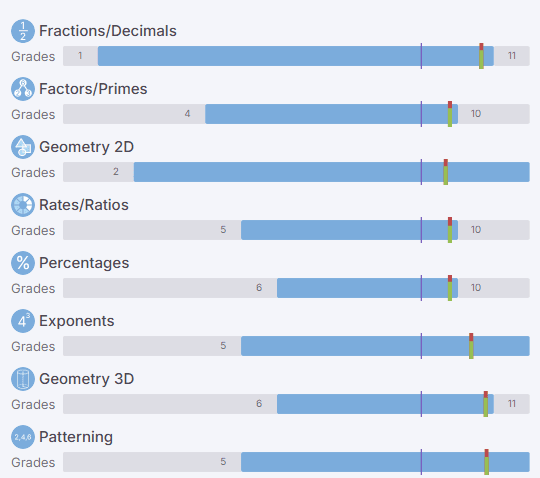
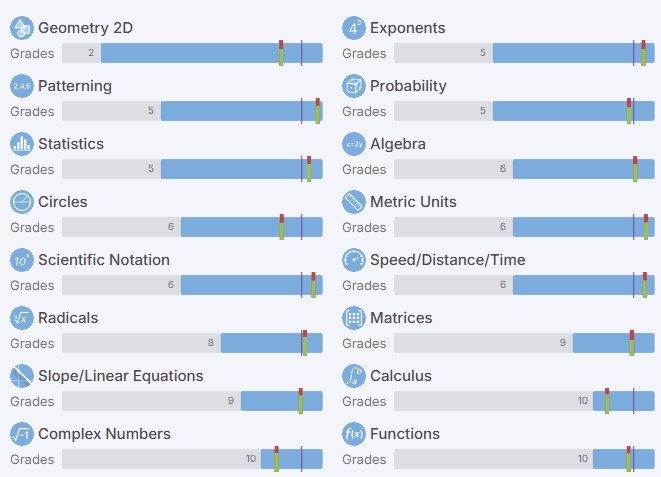
In the first few sessions, students work through exercises that show how they understand the major math themes for their age. That gives Mobius a clear starting point based on demonstrated readiness, not guesswork.

Sessions start at each student's level, keep them actively solving, and end with clear next steps for the week ahead.
Step 2: Once leveling is complete, sessions will consist of a series of exercises, each around 7-10 minutes in length that builds from where that student is at. Each session follows a clear structure: establish the right starting point, build through focused work, and share weekly progress with families.

In the first few sessions, students work through exercises that show how they understand the major math themes for their age. That gives Mobius a clear starting point based on demonstrated readiness, not guesswork.

After leveling, sessions move through a sequence of short exercises, usually about 7–10 minutes each. The work builds from the student's current level, so the pace feels steady while still moving forward.

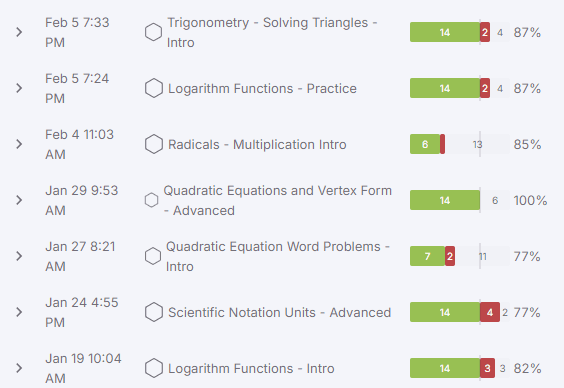
In Unit Mastery, students stay in one area of math long enough to build real understanding. Mobius raises the difficulty step by step as success is established, while tutors give feedback, hints, and guidance along the way.

Practice focuses on individual skills. Each question can come with added explanation, hints, and guided problem solving, so students strengthen the idea behind the work instead of just reaching one answer.

SpeedPlay builds core skills with a focus on fluency and pacing. As students revisit foundational math in this format, important ideas become faster to recall and easier to use.

Older students can take on competition challenges built around non-routine problems and creative strategy. It gives ready students a chance to think more deeply and approach unfamiliar math with confidence.

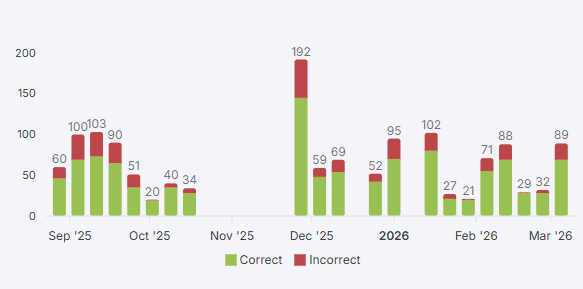
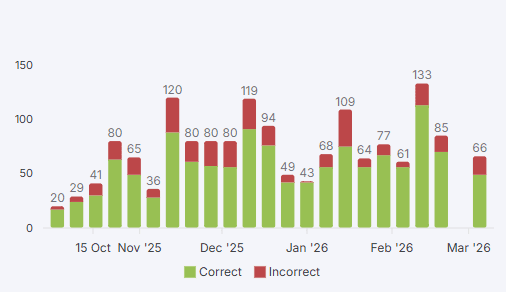
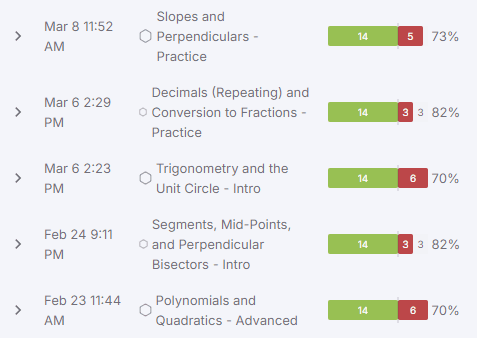
Families receive weekly updates that show progress, challenges, and next steps. That keeps parents connected to what the student is learning and where growth is headed next.
Math excellence for ambitious students.
Students are not pushed through the same starting point. Mobius places each student at a level that fits their current understanding, so the work begins where real progress can happen.

Families receive concise weekly updates that show what improved, where support is still needed, and which next focus area should guide the coming week of learning.
That gives parents practical learning evidence they can understand quickly, so decisions about pacing, reinforcement, and goals stay grounded in what the student is actually showing.

Math excellence for ambitious students.
Sessions do not begin from a fixed lesson for everyone. Early work helps Mobius identify where a student is ready to begin, so the math starts at a level that is challenging without feeling discouraging.
Y has always done well in math, but I felt like she wasn’t being challenged at school, Mobius helped with that. The first day Y tried Mobius, she told me she had a lot of fun and her brain had to work hard! Sounds like success to me.
Step 7: Updates on each student's progress, challenges, and next steps are shared with families on a weekly basis.
Families can see the difference when tutoring raises challenge at the right pace, keeps students engaged, and turns stronger confidence into steadier school progress.

Session claims should be easy for families to check. Mobius shares weekly updates on each student's progress, challenges, and next steps in plain language. Instead of wondering whether sessions are helping, families get a regular record of what the student worked on and where growth is headed next.


Most of the session is spent actively solving problems with tutor support, not passively listening. Students are working through math, responding to questions, and building understanding through real effort.
Because the structure repeats from session to session, students know how to get started, stay engaged, and make progress inside work that adapts to their level.


As students work, tutors respond in the moment with a hint, a clearer explanation, or a better question. Support arrives right where understanding starts to slip, so students can keep making progress.
That live guidance works alongside the platform instead of replacing it. Tutors help students stay engaged in the math while Mobius keeps the work visible, structured, and appropriately challenging.
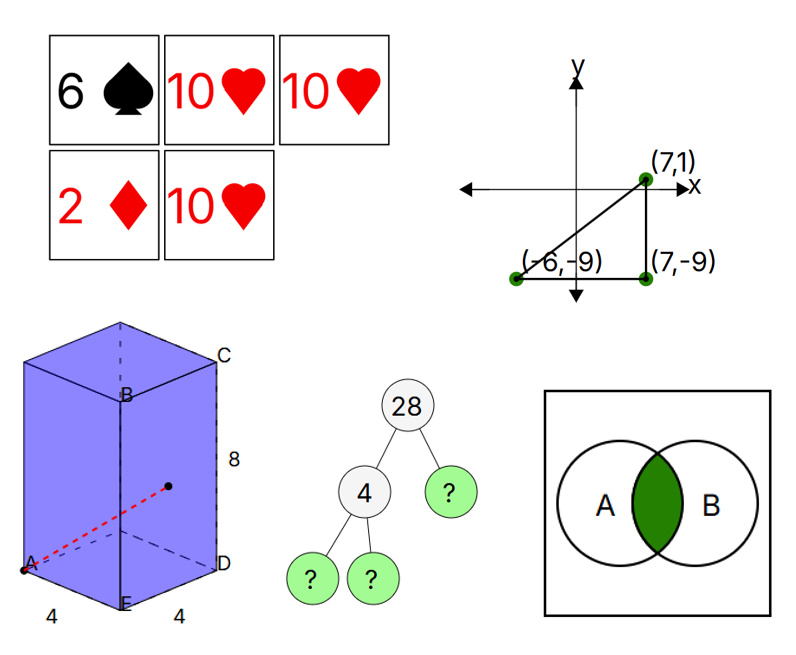
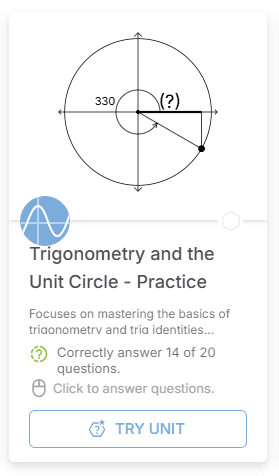
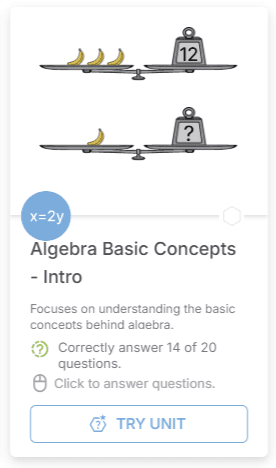
Try any unit to experience firsthand how Mobius starts work at an accessible point, then adapts the difficulty within that area as success appears.
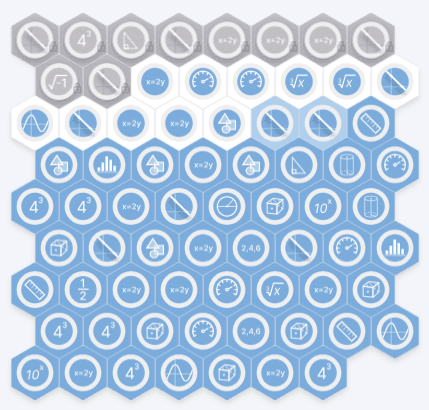
Unit Recommendations