Structured Lunch Math Support
Clear practice, simple school-day setup
Give students a structured lunch math block that adds meaningful practice during the school day and helps your school show a visible commitment to STEM excellence.
Simple Staff Supervision
Lunchtime math practice works best when it is clear and manageable for staff. With Mobius, a teacher or support staff member can supervise the block without needing deep math expertise, because every question includes a full explanation and solution.
Students can review how a problem works, not just whether they got it right. That makes the lunch block easier to run and more useful for learning, while helping schools offer strong math support with the staff they already have in place.


A Program Families Value
Parents value structured math support for students who want extra practice. A lunchtime Mobius block gives schools a clear, easy-to-explain way to offer that support during the day.
Because the program has a defined format and visible progress, it can strengthen family confidence and reinforce your school's commitment to strong STEM learning.
Y has always done well in math, but I felt like she wasn’t being challenged at school, Mobius helped with that. The first day Y tried Mobius, she told me she had a lot of fun and her brain had to work hard! Sounds like success to me.
Classroom-Aligned, Right-Level Practice
Mobius helps schools run a simple, high-value lunch math block for students who need extra practice, even when students are at different readiness levels.
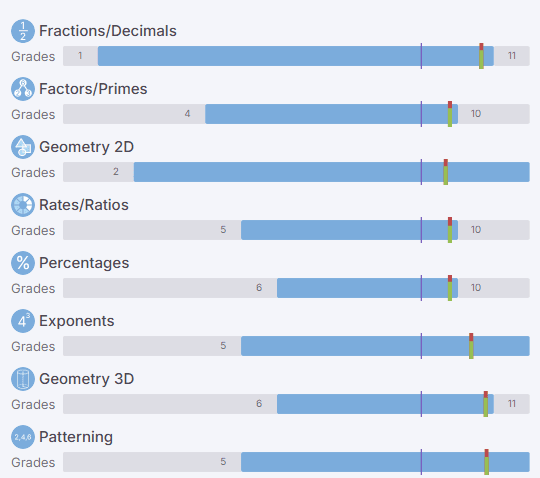
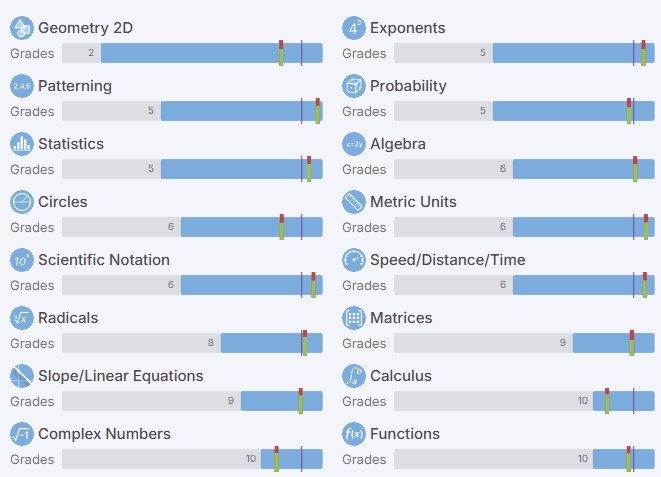
Teachers can set the focus areas, and Mobius adjusts the level for each student within those areas automatically. That means one lunch block can stay useful, targeted, and productive without requiring every student to work on the same question at the same time.


Achievement
for every child


Each student follows work that matches current readiness, pace, and confidence, even inside a shared tutoring group.
That keeps the experience personal and makes the group format feel meaningfully different for every child.


Progress Families Can See
Visible Weekly Progress
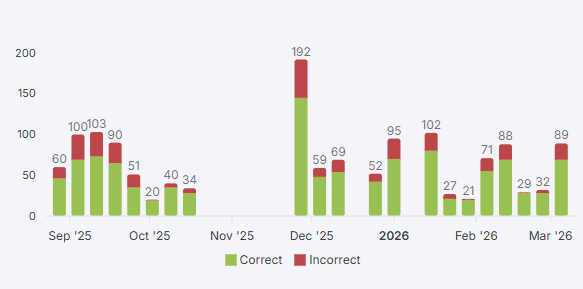
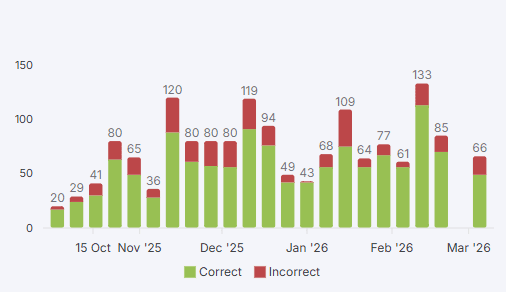
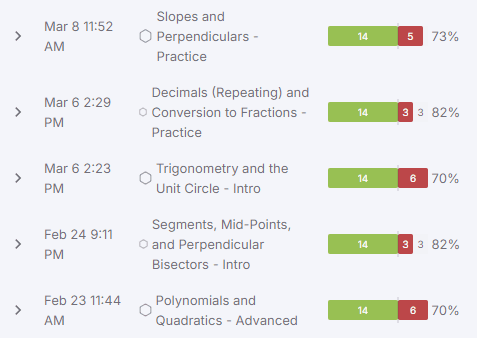
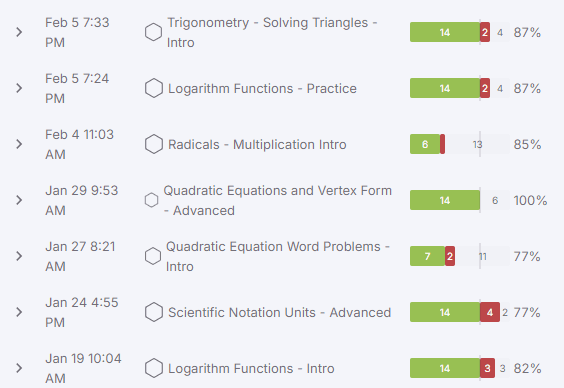
Families receive concise weekly updates that show what improved, where support is still needed, and which next focus area should guide the coming week of learning.
That gives parents practical learning evidence they can understand quickly, so decisions about pacing, reinforcement, and goals stay grounded in what the student is actually showing.



Easy Staff Launch
Book a quick call to see whether lunchtime math practice fits your schedule, staffing, and student goals—and how schools use it to add structured support with visible progress.
- Quick explanation and setup
- Don't worry, it's completely free for you and your school