
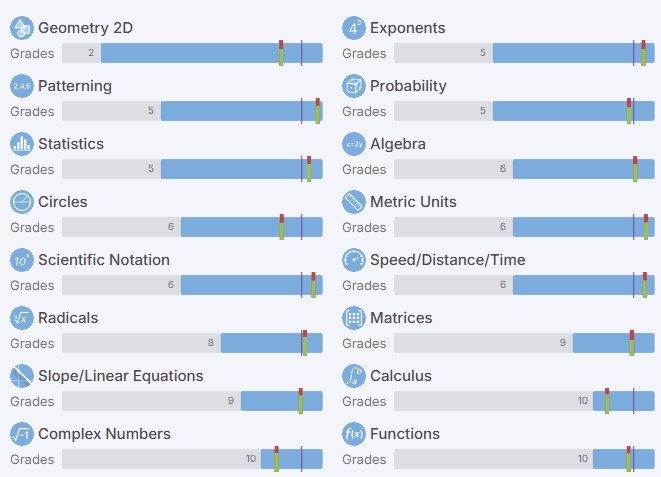
Start Familiar
Build on a familiar counting problem, but add grouping.


Build strong early math habits with tutoring for grades 1-3 that keeps young learners active, challenged at the right level, and gives families clear weekly progress updates.
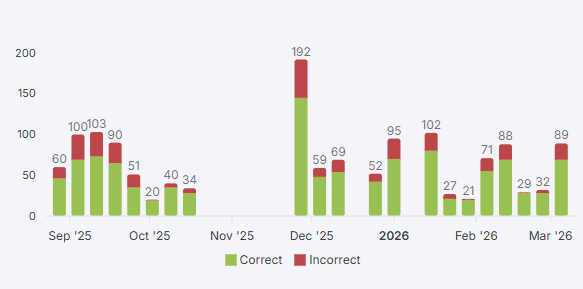
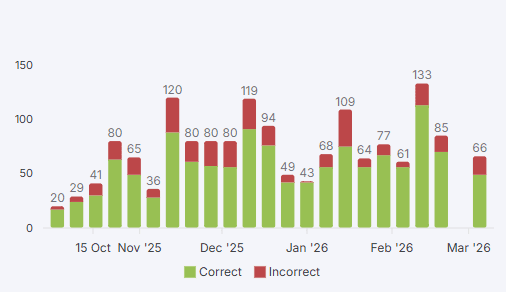
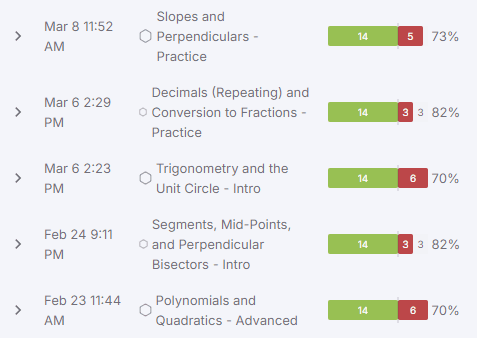
Families receive concise weekly updates that show what improved, where support is still needed, and which next focus area should guide the coming week of learning.
That gives parents practical learning evidence they can understand quickly, so decisions about pacing, reinforcement, and goals stay grounded in what the student is actually showing.
Math support in the early grades should help now and still leave room for what comes next. Mobius supports students across grades 1-12, so families can start with early foundations and stay with one approach as school math becomes more complex.
That continuity matters. A child can build number sense, fluency, and confidence now, then keep growing with the same platform and the right tutoring format as goals change in later grades.

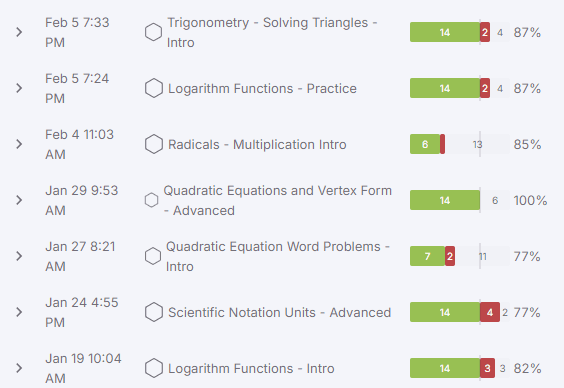
Letting W move ahead of grade as he mastered each topic was important to keeping him interested in math. He loves completing a unit and is proud of the math he can do.
In live small-group tutoring, young students get the energy of learning with other kids without being lost in the room.
The session feels shared, but the experience still feels personal. A child can be stretched, encouraged, and kept involved the whole time. For many families, that balance matters most: their child feels proud to join in, ready to try, and confident enough to keep going when math gets hard.


In grades 1-3, new skills stick best when students come back to them often. Mobius uses short practice between sessions so number sense, fluency, and early problem solving stay active instead of fading between tutoring days.
That extra return matters for young learners. Tutors can see what is holding, reinforce what needs another pass, and keep home practice realistic for families.
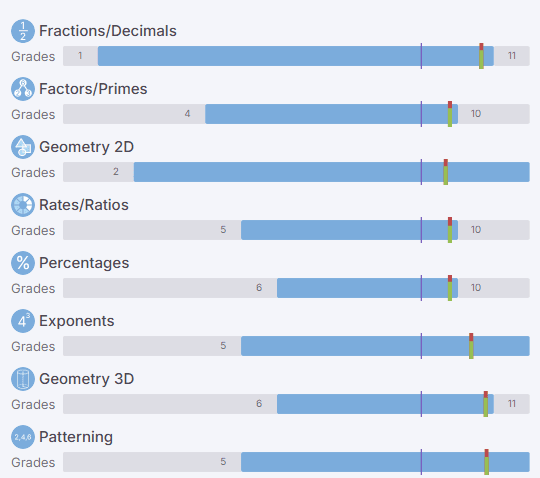
In grades 1-3, strong tutoring is not just about this week’s skills. It is also about giving families a clear sense of what to build first, what to revisit, and what to watch over the next few months so progress stays steady instead of uneven. Mobius helps tutors sequence that growth with real checkpoints. They can see when a child is ready to consolidate a skill, when confidence is still fragile, and when it makes sense to stretch further. That gives families a clearer plan for supporting classroom success now while building the habits and confidence that make later math feel more manageable.

Young learners do best when sessions keep them involved from start to finish. In grades 1-3, tutors watch closely, ask students to stay active, and notice how a child is solving, not just whether an answer is right.
That matters because hesitation, counting strategies, skipped steps, or lucky guesses can reveal fragile understanding. Tutors use the platform to confirm missing precursor skills, strengthen foundations, and keep each child working on math that fits current readiness inside the shared small-group session.

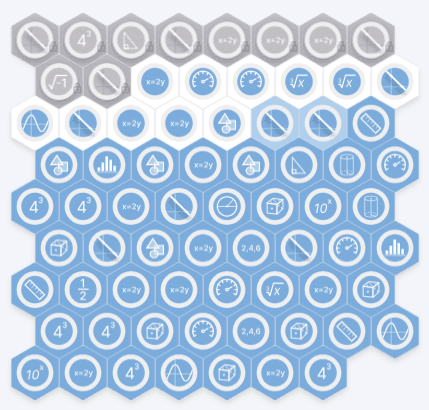
In grades 1-3, core skills need to become steady enough to use without hesitation. That includes number sense, place value, addition and subtraction fluency, early multiplication ideas, measurement and data, and shapes and spatial reasoning. Mobius keeps returning to those essentials until they feel familiar in new questions, not just in one lesson. As readiness becomes clear, the platform moves students into harder work, and tutors guide them through that next level so early skills become a real base for later math.
Students strengthen counting, comparing, and place value patterns with reliable weekly practice.
Addition and Subtraction Fluency
Learners build speed and confidence with addition and subtraction strategies they can explain clearly.
Students explore equal groups and repeated addition to prepare for multiplication and division.
Tutoring reinforces measurement language and chart reading through short practical examples.
Students classify shapes and reason about properties to support stronger geometric foundations.
Featured Skill
Students strengthen counting, comparing, and place value patterns with reliable weekly practice.
Sample preview unavailable for this skill.

With young learners, readiness shows up in small signals. A quick answer can still hide counting or shaky understanding when the question changes.
Tutors watch for those signals and use the platform to check whether the foundation is secure. When it is, the platform moves the student into harder work. When it is not, the tutor strengthens the missing skill first.
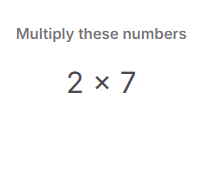
Scaffolding Example - Multiplication
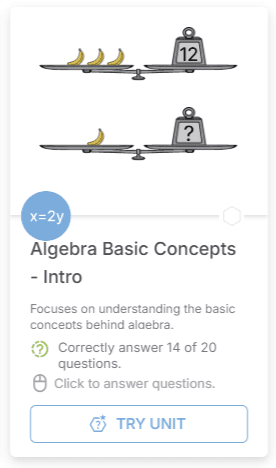
Students do not jump straight to abstract skills such as multiplication. The system builds naturally from skills they know, like counting, to abstract multiplication.
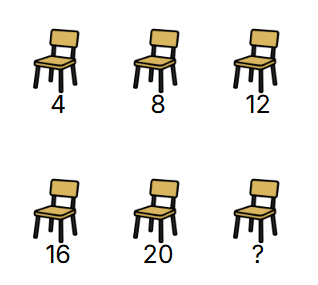
Build on a familiar counting problem, but add grouping.
Introduce skip counting into a familiar structure.
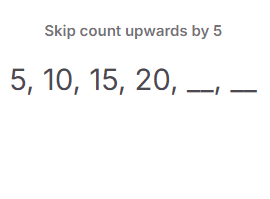
Remove the abstractions and skip count with only numbers.
Revisit counting in groups, but abstract with numbers.
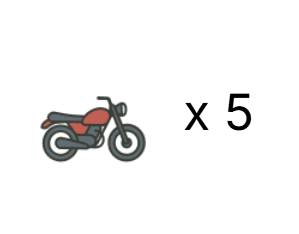
Multiplication skill is developed naturally from the scaffolding.
Book a short evaluation call to look at your child’s current level, talk through goals, and choose the tutoring format that fits best, including small-group tutoring or private math tutoring. If private math tutoring is the better fit, sessions can focus on building the specific skills behind current assignments and upcoming tests so school math feels easier and more secure. You will leave with a clearer picture of where support is needed now, which format makes sense, and what the next step should be for steady progress.