1
Pick an Activity
Choose an activity that fits the time you have and the kind of participation you want, from a fast warm-up to a longer team task.
Free K–12 math activities with no student logins, ready to launch in seconds for active classroom participation.
Use these activities in the parts of class teachers actually have: warm-ups, quick checks, partner work, review, or a short practice block.
With free classroom math activities across K–12 topics and units, you can find something that fits the lesson you are teaching without adding a complicated new routine.

Launch a free activity in seconds, then use student responses to spot strengths, catch misconceptions, and decide what the class needs next.

Choose an activity that fits the time you have and the kind of participation you want, from a fast warm-up to a longer team task.

Select a unit that matches what your class is working on now, so the activity connects to today's lesson.

Start right away with no student logins and almost no setup, so class time goes to math instead of admin.

Use the activity for individual, partner, or team work to keep students thinking, talking, and contributing.

Watch student answers reveal strengths and misconceptions while the lesson is still live.

Use that evidence to regroup students, choose a follow-up task, or decide what the class needs next.

Mobius classroom activities are free for teachers and schools, with no up-front cost or commitment required to start. Optional tutoring services are available separately.

Choose from free classroom activities for warm-ups, quick checks, partner work, review, and short practice blocks.
Each format is easy to launch and built for real class time, so you can get students participating quickly without losing instructional depth.
Explore free classroom math activities across K–12 topics and units for warm-ups, quick checks, partner work, review, and short practice blocks. They are easy to launch, simple to use in real class time, and built to keep students participating in meaningful math.
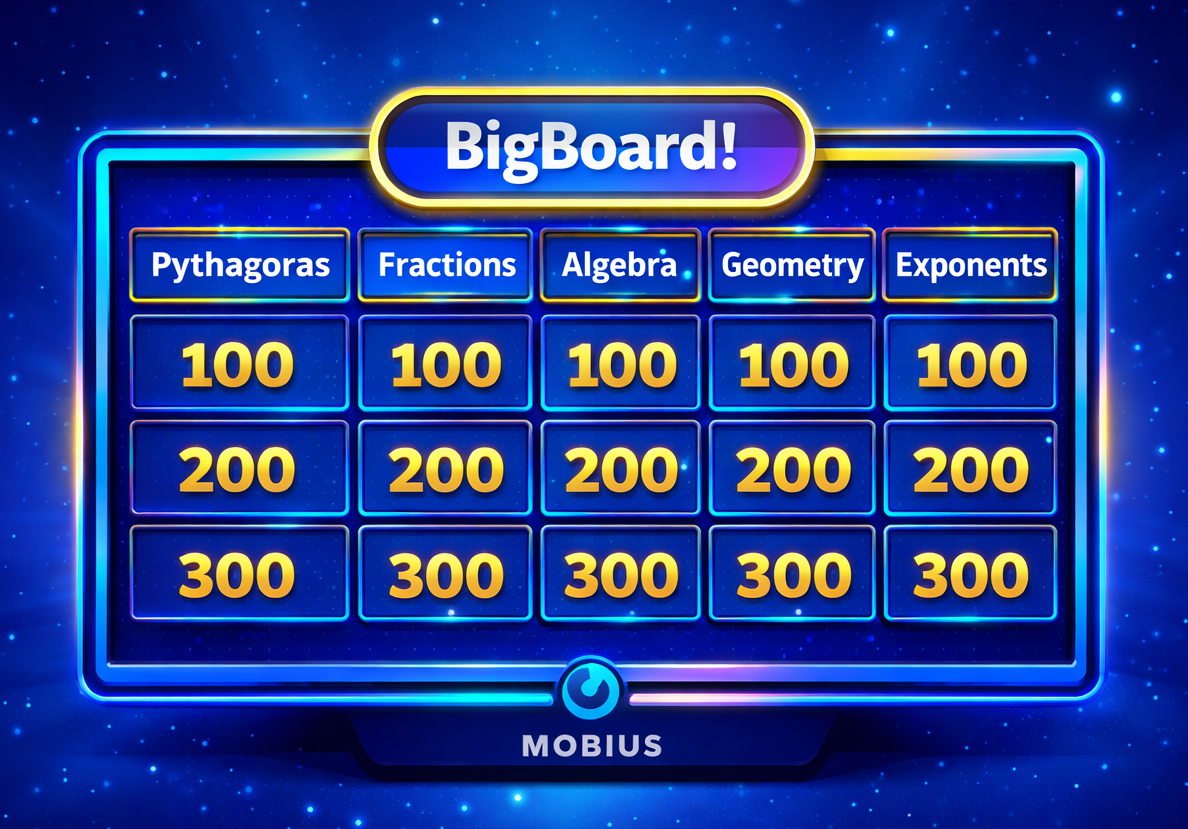
BigBoard is a zero friction quiz board for full-class review and engagement. Up and running in 45 seconds
Get Started
High Stakes is a zero friction 'millionaire' style quiz game to quickly understand class level on a math theme
Get StartedStudent responses give you fast evidence about strengths, misconceptions, and who may need a different next step.
That makes it easier to regroup, choose a follow-up task, or pause for discussion while the lesson is still live.


Each student follows work that matches current readiness, pace, and confidence, even inside a shared tutoring group.
That keeps the experience personal and makes the group format feel meaningfully different for every child.


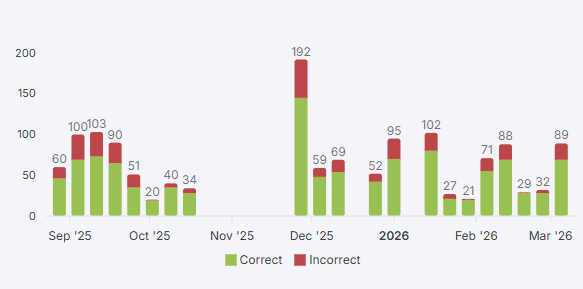
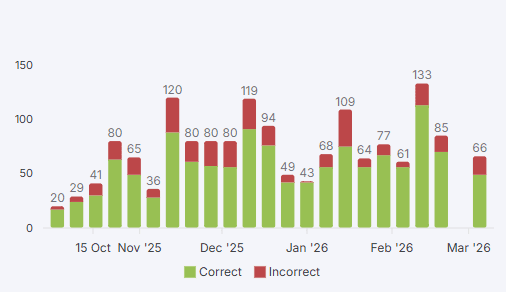
See what students understand and where they need support without adding extra marking.
That quick evidence helps you spot misconceptions, group students, and choose the next question, small-group instruction focus, or follow-up lesson while the math is still fresh.
Y has always done well in math, but I felt like she wasn’t being challenged at school, Mobius helped with that. The first day Y tried Mobius, she told me she had a lot of fun and her brain had to work hard! Sounds like success to me.
The best classroom activities keep students engaged while still asking them to think hard.
When challenge feels just right, more students stay with the work, build confidence, and make real progress instead of checking out.

Families receive concise weekly updates that show what improved, where support is still needed, and which next focus area should guide the coming week of learning.
That gives parents practical learning evidence they can understand quickly, so decisions about pacing, reinforcement, and goals stay grounded in what the student is actually showing.