Small Group
Math excellence through small group learning.
- Accessible price point
- Math excellence
Explore small group

Small-group math tutoring helps ambitious students build toward college, university, and STEM goals with live guidance and a more accessible cost.
Families usually compare small-group tutoring with private math tutoring when they want serious math support and need the option that fits both their child and their budget.
Small-group tutoring gives students the same Mobius platform, live tutor guidance, and individualized learning at a more accessible price. It is built for broad math excellence over time, while private math tutoring is the better fit when a student needs closer focus on current classwork and the skills behind assignments and tests.

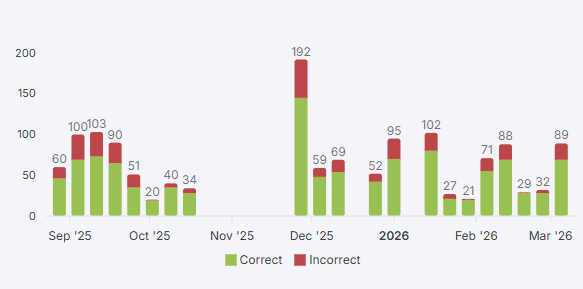
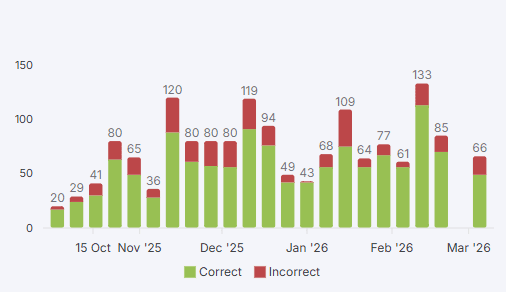
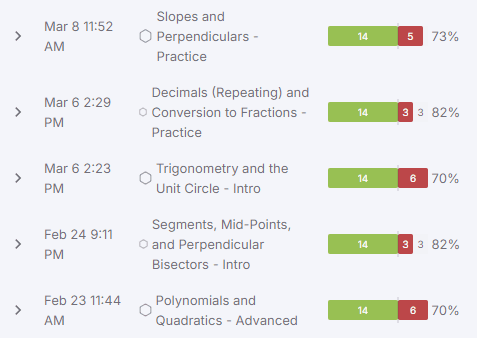
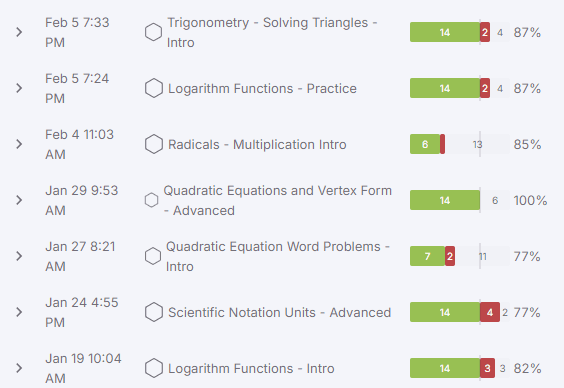
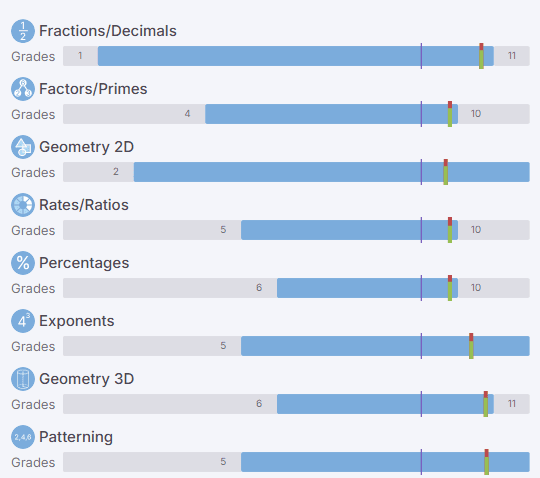
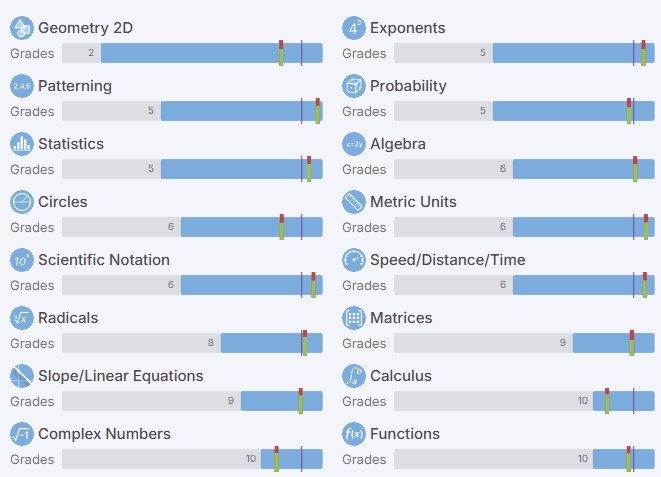
Families receive concise weekly updates that show what improved, where support is still needed, and which next focus area should guide the coming week of learning.
That gives parents practical learning evidence they can understand quickly, so decisions about pacing, reinforcement, and goals stay grounded in what the student is actually showing.
Small-group tutoring helps students build durable math strength over time, so stronger foundations can lead to advanced coursework, competition work, and long-term STEM goals.


Families should be able to see how tutoring is going in a clear, practical way, not just hope that progress is happening.
Mobius shares weekly updates that show strengths, gaps, and the next focus area, so parents can follow progress and understand where support should go next.
Small-group tutoring is built for students who want stronger foundations now and bigger opportunities later in math.
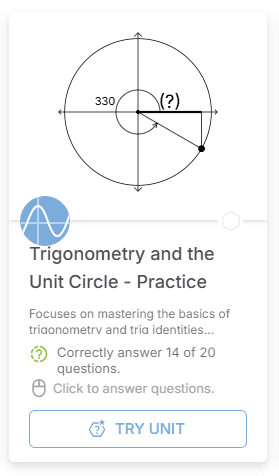
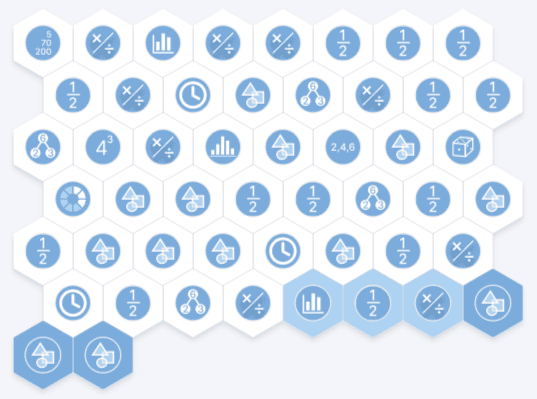
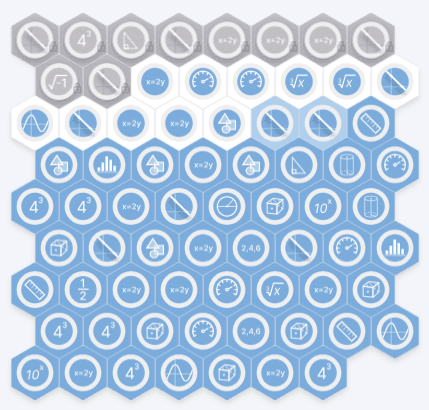
As students show readiness, the Mobius platform moves them into harder work, and the tutor helps them succeed at that next level. Over time, that growth can open the door to advanced courses, competition math, and future STEM goals.

Both formats use the same Mobius platform and teaching method. The difference is how much pacing control, peer momentum, and scheduling flexibility your family needs right now.
Feature | Small Group 2-5 students | Private 1-on-1 coaching |
|---|---|---|
| Use the Mobius method and platform | ||
| Guided active problem solving | ||
| Weekly family progress updates | ||
| Most accessible tutoring price point | ||
| Focus on current class work and upcoming tests | ||
| 1:1 accountability | ||
| Math fit | Math excellence | In-class work + math excellence |
| Scheduling model | Many recurring slots | Tutor-family matched |
| Format transitions later if needs change |


Each student follows work that matches current readiness, pace, and confidence, even inside a shared tutoring group.
That keeps the experience personal and makes the group format feel meaningfully different for every child.


Families can view recurring class options, choose a schedule that fits real weeks, and keep planning simple without losing flexibility.
| Mon | Tue | Wed | Thu | Fri |
|---|---|---|---|---|
5:00 PM 7:00 PM 8:00 PM | 5:00 PM 7:00 PM 8:00 PM | 5:00 PM 7:00 PM 8:00 PM | 5:00 PM 7:00 PM 8:00 PM | 5:00 PM 7:00 PM 8:00 PM |
Start with a short evaluation to review your child's current level, goals, and whether small-group or private math tutoring is the better fit.