
Class Workflows That Scale
Clear steps, steady progress
Set up classes, add students without student PII, and run classroom routines that help every student keep moving forward.
A System That Fits
Zero-friction activities are a simple way to get started, but class setup is what makes ongoing classroom use work well.
Teachers can create classes that match their timetable and add student accounts without collecting student personal identifiers.
That first layer of setup leads to saved progress, clearer differentiation, and daily routines that are easier to run across the year.


Proof From the Start
Once classes are ready, students complete initial leveling so Mobius can place each student at a realistic starting point.
That gives teachers early proof of where students are ready, where unfinished learning is getting in the way, and where extra challenge is appropriate.
From there, progress is tracked over time, so classroom decisions are based on evidence instead of first impressions alone.
Classroom Routines That Fit
Use whole-class activities and minds-on tasks to introduce the day’s math focus.
Then move into short adaptive work blocks within the same class period, so students can practice at the right level while staying connected to shared curriculum goals.
That makes daily routines easier to run without asking every student to do the same work at the same pace.

Plan a School Conversation
Book a school conversation to see how class setup, student accounts, and daily classroom routines could work in your setting.
We can walk through practical implementation for ongoing use, including how teachers create classes, add students without student personal identifiers, and build a workable rhythm for differentiation and progress visibility.

Ambitious Learning Paths
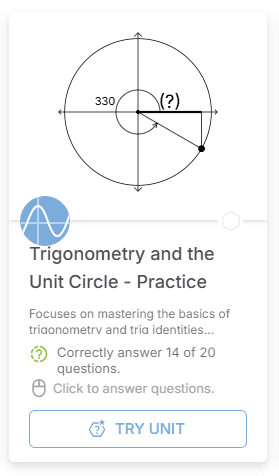
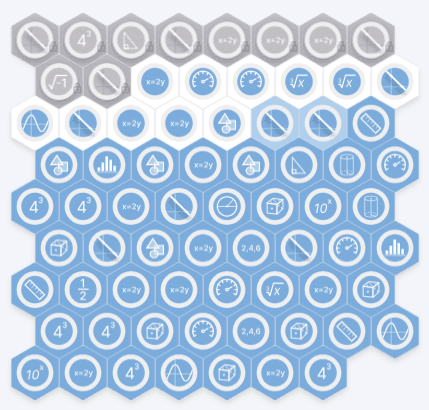
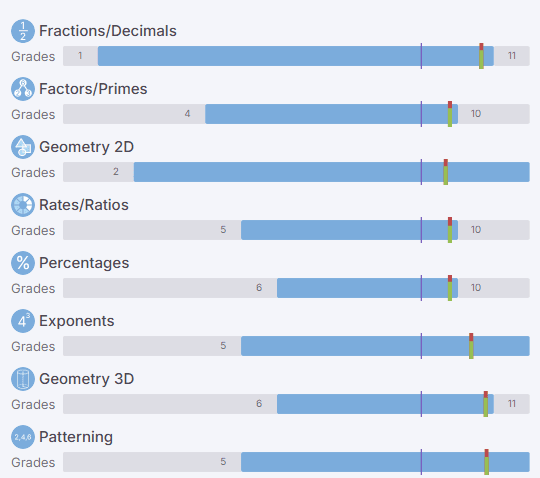
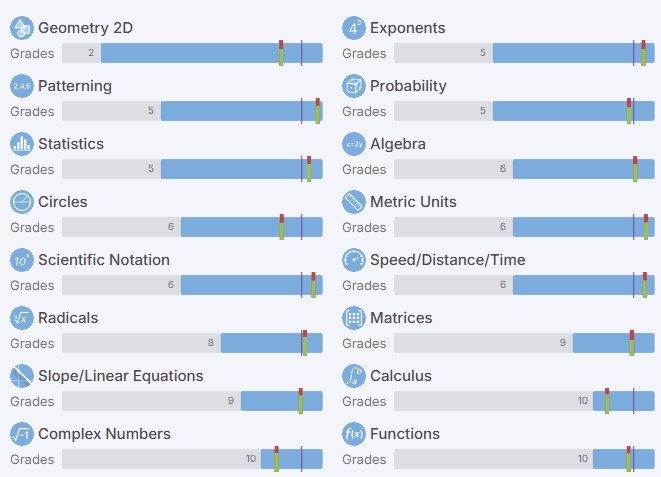
Students can work at different readiness levels inside the same classroom structure while staying connected to shared curriculum goals.
That makes it easier to support unfinished learning, extend strong students, and keep ambitious learners moving toward college, university, and STEM futures.
Differentiation Without Guesswork
In one class, students can work at different readiness levels while staying connected to the same unit goals.
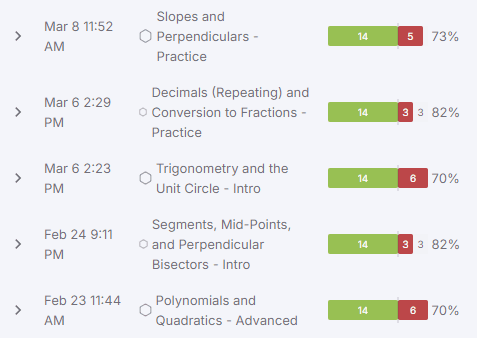
Automatic marking and curriculum mapping give teachers clearer evidence about who is ready to move on, who needs reinforcement, and where small regrouping can help.
That makes differentiation more manageable across multiple classes without turning daily planning into extra admin work.


Achievement
for every child


Each student follows work that matches current readiness, pace, and confidence, even inside a shared tutoring group.
That keeps the experience personal and makes the group format feel meaningfully different for every child.


Live Classroom Signals
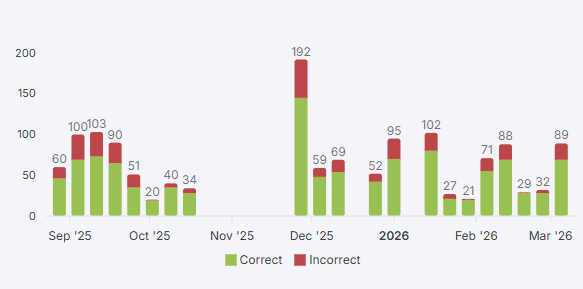
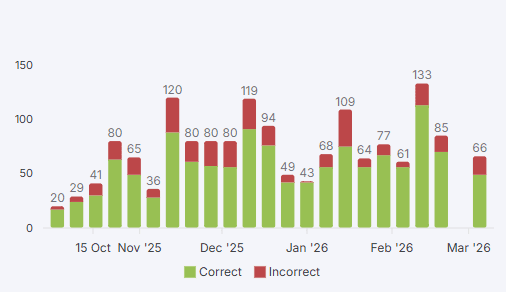
Teachers get live classroom signals that show who is moving well, who needs support, and which skills are slowing progress. That visibility helps teachers regroup students, adjust instruction, and plan the next lesson with clearer evidence. It also gives departments a better view of where students are building strength and where more support is still needed.


Progress You Can See
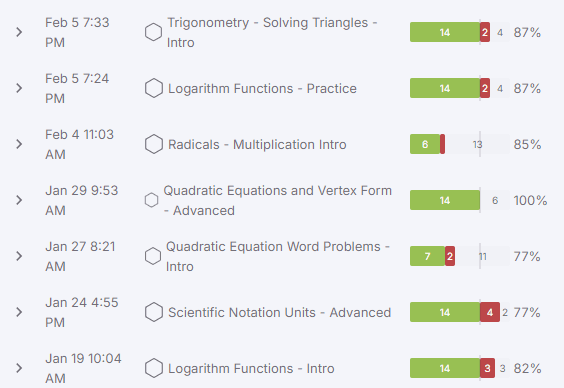
Mobius gives teachers a clearer view of student progress over time, not just a snapshot from one lesson.
That visibility makes it easier to see what improved, where support is still needed, and which students are ready for more demanding work.
Schools can use that evidence to guide instruction, regroup students, and keep families informed with clearer next steps.

Visible Weekly Progress
Families receive concise weekly updates that show what improved, where support is still needed, and which next focus area should guide the coming week of learning.
That gives parents practical learning evidence they can understand quickly, so decisions about pacing, reinforcement, and goals stay grounded in what the student is actually showing.