
Admissions Math Preparation
Strong concepts and stronger execution
Prepare for SAT and ACT math through focused diagnostics, practical strategy cycles, and weekly guidance families can use right away.
Digital SAT Readiness
Students preparing for the digital SAT need practice with the way math appears on screen, including graph and table reading, calculator judgment, and staying composed as section difficulty adjusts.
Tutoring builds those habits with targeted work on digital question types, so students learn when to use built-in tools, when mental math is faster, and how to avoid screen-based mistakes.
That gives students more control in the digital format while still strengthening the math skills that drive better results.


Baseline Performance Profile
Tutoring starts by identifying the skill foundations that matter most for admissions math, including algebra fluency, data interpretation, problem translation, and timed accuracy.
Early review shows whether score limits come from missing concepts, slow setup, weak execution, or pacing decisions under pressure.
That baseline shapes the first priorities so students strengthen the right foundations before full test intensity builds.
SAT and ACT Core Skills
Students make the strongest gains when tutoring reinforces the core skills behind both tests: algebra fluency, data interpretation, equation setup, problem translation, geometry and trigonometry application, calculator judgment, and timed accuracy. As those skills improve, students usually miss fewer routine questions, work through sections with more control, and walk into test day with a clearer score target in reach.
Algebraic Equations and Expressions
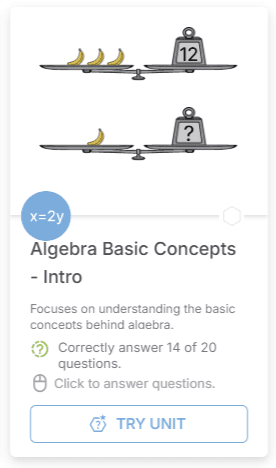
Students solve equations and inequalities and convert word problems into algebraic models.
Linear Relationships and Graph Interpretation
Students interpret slope and intercepts and analyze variable relationships in graph form.
Ratios, Rates, and Percent Applications
Students solve proportional reasoning tasks involving rates, percentages, and real-world comparisons.
Functions and Functional Relationships
Students analyze function behavior through equations, tables, and graphs with confidence.
Geometry and Coordinate Geometry
Students solve geometry and coordinate problems involving distance, shape properties, and angle reasoning.
Students interpret charts and datasets using core statistical measures in context.
Students calculate event probabilities and evaluate possible outcomes efficiently.
Students apply exponent and radical rules accurately to simplify and solve faster.
Featured Skill
Algebraic Equations and Expressions
Students solve equations and inequalities and convert word problems into algebraic models.
Sample preview unavailable for this skill.
ACT Speed and Accuracy
ACT preparation focuses on the demands of a longer math section with fast topic switching across algebra, geometry, trigonometry, and data analysis.
Students practice moving between problem types without losing accuracy, while building the stamina to stay sharp deep into the section.
That kind of content-specific preparation helps students handle the ACT's pace and breadth with more control.


Timed Decision Training
Students learn when to solve directly, estimate, skip, or return so time is used with purpose.
Tutors model practical choices inside mixed-difficulty sections, then review where pacing broke down and where a different decision would have protected points.
That kind of decision training helps students turn what they already know into stronger scores under real test pressure.
Error Pattern Repair
Practice errors are sorted by concept, procedure, and interpretation so weak spots are easy to see.
Tutors then target the mistakes that show up most often with short correction routines and repeated retrieval in those exact skill areas.
That steady repair work improves reliability, builds confidence, and reduces the same preventable misses before test day.

Practical Study Rhythm
Admissions prep works best when the work between sessions is clear, limited, and realistic for a busy week.
Tutoring keeps practice focused on a few high-impact tasks, so students can build momentum without trying to cram every topic at once.
That steady rhythm makes preparation easier to sustain alongside school, activities, and other deadlines.

Visible Weekly Progress
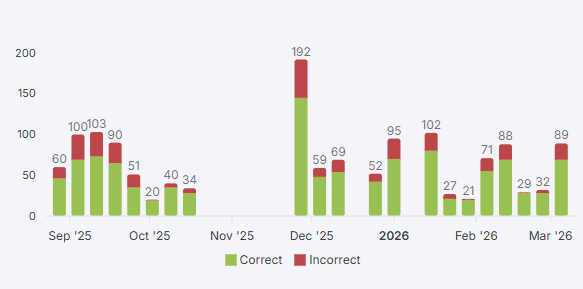
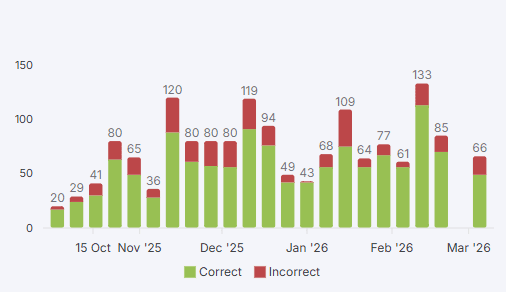
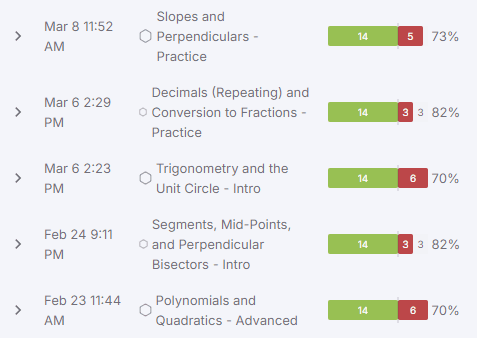
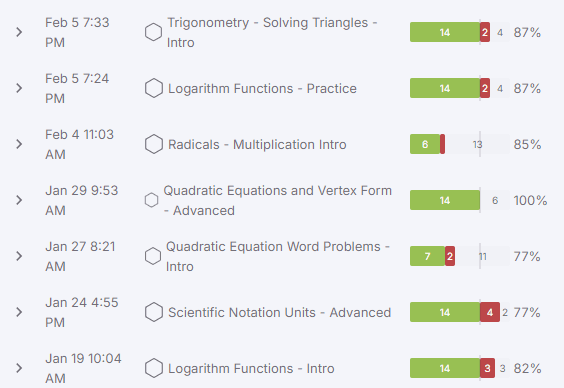
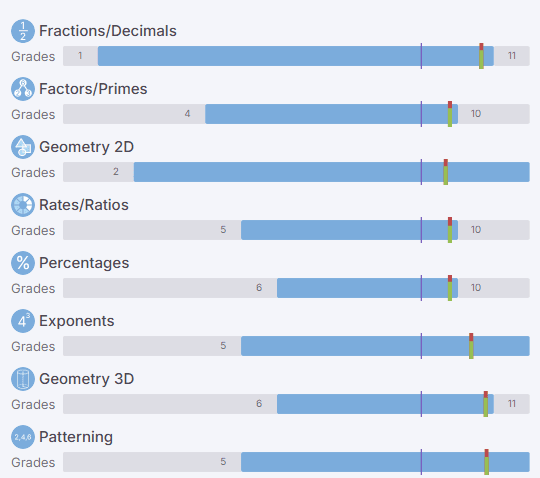
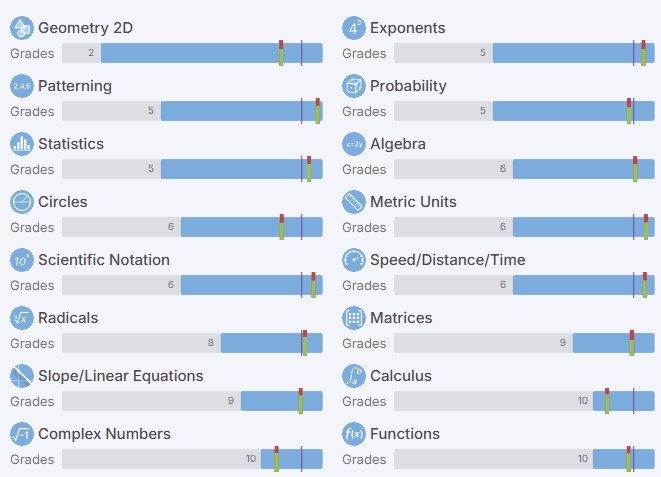
Families receive concise weekly updates that show what improved, where support is still needed, and which next focus area should guide the coming week of learning.
That gives parents practical learning evidence they can understand quickly, so decisions about pacing, reinforcement, and goals stay grounded in what the student is actually showing.



Flexible Format Choice
Students can prepare in small-group or private math tutoring formats.
Small-group tutoring can give families a recurring time for consistency, but they can change that time whenever schedules shift, even from one week to the next.
Private math tutoring offers the most flexibility because session times are arranged directly with the tutor.
Both formats use the same core process and progress framework, so changing formats does not interrupt momentum.
University Pathway Readiness
Strong admissions math preparation does more than support one exam date.
Students build reasoning habits, accuracy, and stamina that carry into demanding post-secondary quantitative work, while families gain a clearer picture of readiness and timing.
That makes progress feel useful beyond the test itself, with skills that transfer into future coursework and academic planning.

Schedule Your Evaluation
Book a short evaluation call to review your child's current level, goals, and the best tutoring format for steady progress.
- Personalized math skill evaluation
- Insight into strengths and learning gaps
- No obligation to enroll