Competition Math Club
Free for schools to start
Start a free competition math club for grades 7-12 that school staff can run confidently, with challenging problems, full solutions, and adaptive support for mixed-level students.
A Club Format That Fits
Mobius gives schools a free way to run competition math as an after-school club, a lunch program, or another supervised enrichment block for grades 7-12.
That makes it easier to offer serious challenge for ambitious students without needing a staff member who already specializes in competition math.

School-Day Scheduling That Fits
Schools can run programs after school, at lunch, or inside another supervised block, using the timetable and format that fit the real school day.


Math-powered games keep younger kids engaged and working hard on math. Excellent for after-school or STEM camp formats.
Learn more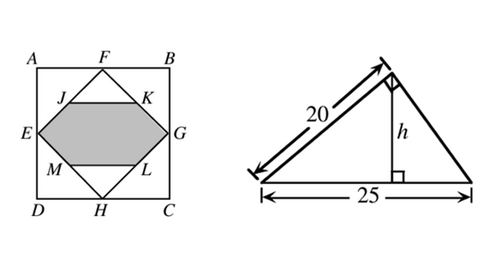
Competition math challenges ambitious students and prepares them for university or college career paths.
Learn more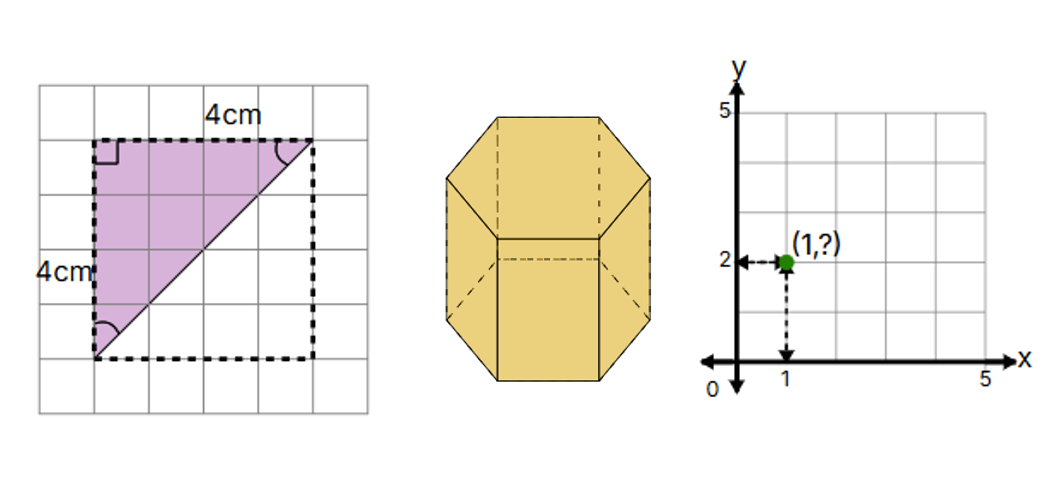
Math practice sessions tied to in-class work to build fluency and confidence.
Learn more
Automatic Challenge by Student
Mobius adapts the math level automatically for each student, so beginners can start with accessible competition problems while advanced students move into harder challenge paths.
Every problem includes a full explanation and solution, which helps students learn from strong mathematical thinking, understand mistakes, and keep growing from their own starting point.
Contest Practice with Real Depth
Real Competition Problems
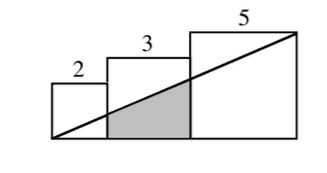
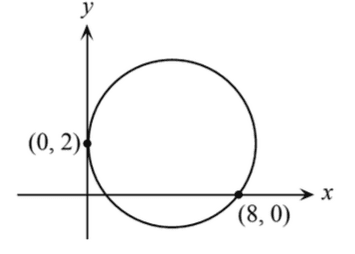
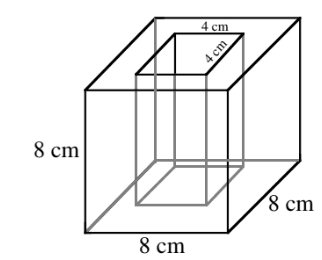
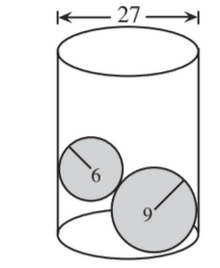
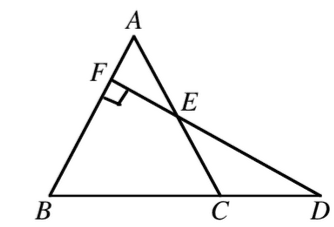
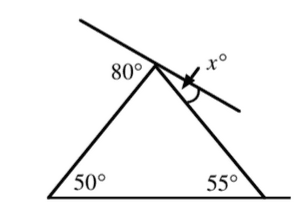
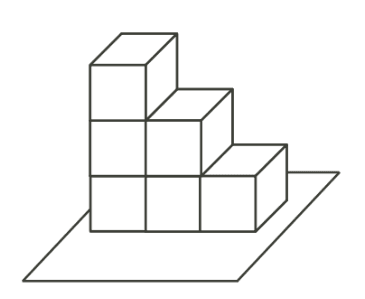
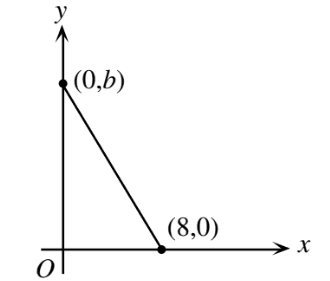
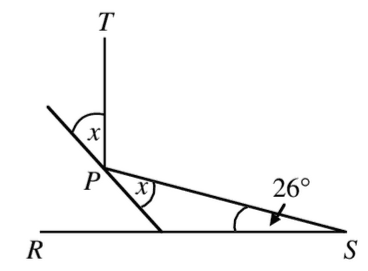
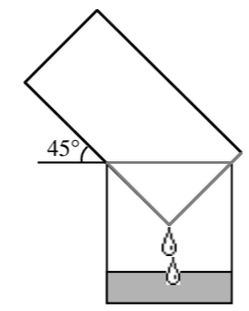
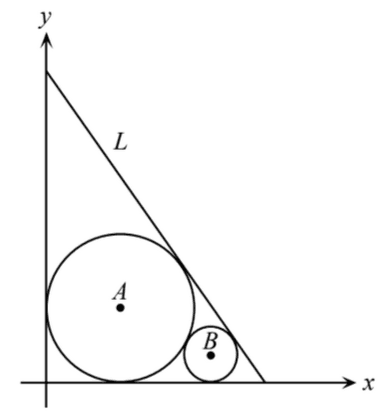
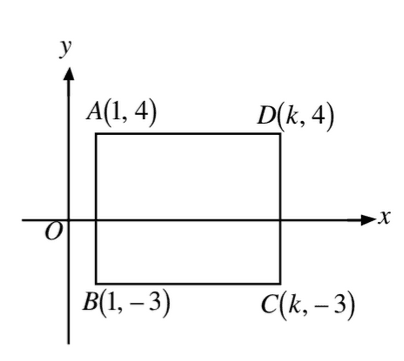
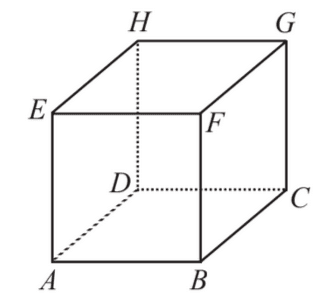
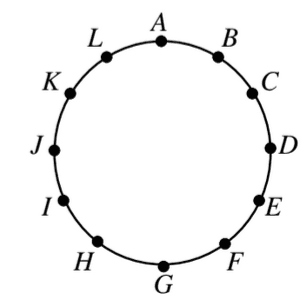
Students can work through real competition-style diagrams, tables, and visual problem setups so the practice feels closer to the problems they actually want to master.



Not only did T perform very well on the last math contest, but he gained tremendous confidence in using his math knowledge to solve challenging problems.
Challenge Families Can See
Families can see the difference when students work on genuinely challenging competition problems, grow more confident, and bring that stronger problem-solving mindset back into school math.

Contest Habits That Transfer
Competition math helps students practice habits that matter well beyond a single contest. They learn to organize their thinking, test an approach, revise when needed, and explain their reasoning clearly under pressure.
Those habits carry back into school math and future advanced courses. The club gives ambitious students a place to strengthen persistence and mathematical clarity, not just collect extra hard questions.


Contest Practice that Teaches
Students practice real competition questions and learn from full solutions, not just final answers.
That matters because contest success depends on more than speed. Students need to understand why a method works, when to use it, and how strong solutions are organized. With explanation-backed practice, they can build confidence, sharpen problem-solving habits, and get better prepared for advanced math challenges.
Easy Staff Launch
Book a quick call to see how a free competition math club can fit your school, choose a lunchtime or after-school schedule, and get staff ready to run it with confidence.
- Quick explanation and setup
- Don't worry, it's completely free for you and your school