


Small Group
Math excellence through small group learning.
- Accessible price point
- Math excellence
Explore small group

Focus areas help families start with the right goal now while keeping a clear path toward stronger math results over time.
Focus areas are goal lenses, not separate tutoring products. They help families name the main result they want first, whether that is stronger school performance, firmer foundations, competition math, advanced coursework, or SAT preparation.
Once that goal is clear, Mobius builds an initial plan around it. The tutoring format, session work, and practice between sessions are aligned to the focus area so the student starts with a plan that fits.
That gives families a clearer starting point. Instead of trying to describe everything at once, they can begin with the goal that matters most now and refine from there.


A focus area is a starting direction, not a box a student stays in forever. As readiness grows or school demands change, Mobius can broaden the plan, combine goals, or shift the emphasis without starting over.
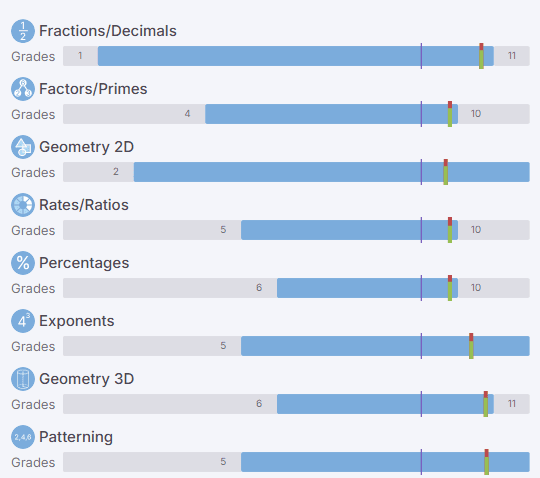
For example, a student might begin by rebuilding foundations, then add school support, and later move into SAT prep or advanced coursework. Another student might start with competition math and still strengthen the underlying skills that support school success.
Confidence grows across all of these paths. It is not a separate track. When students feel stronger in the math they are doing, they usually become more willing to take on harder work and more confident at school.
Families start by booking an evaluation and sharing the student's current level, goals, and upcoming milestones. From there, Mobius identifies the best focus area, maps session work and between-session practice to that goal, and recommends whether small-group tutoring or private math tutoring is the better fit.

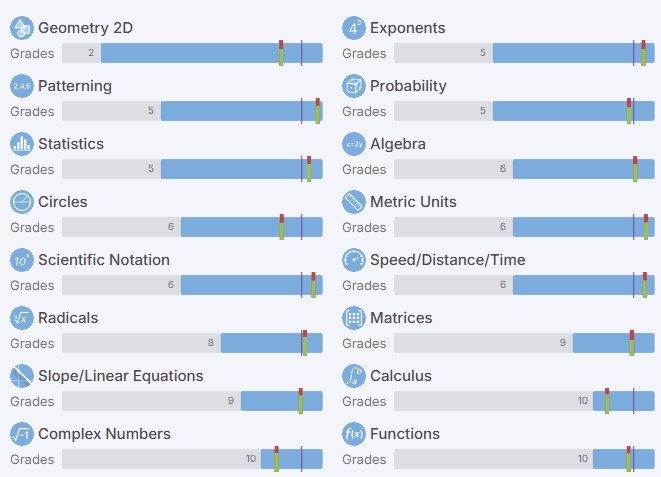
Focus areas can support very different goals, but they all live inside one Mobius tutoring system. Families might come in wanting stronger school performance now, deeper foundations for later, competition math challenge, advanced coursework support, or SAT preparation.
That matters for families thinking ahead to college, university, and STEM futures. The aim is not just to sort students into labels. It is to give each student a clear path toward stronger math performance and lasting readiness for harder work.
If a student has mixed needs, the plan does not have to fit one category forever. A focus area can be combined with another or shifted over time as the student's goals become clearer.

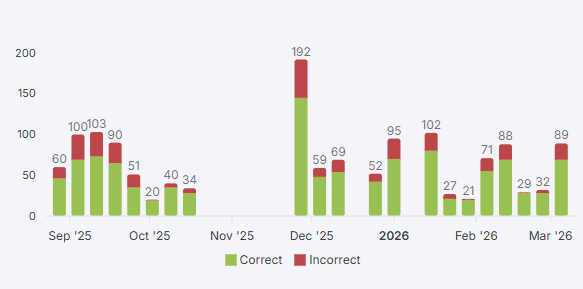
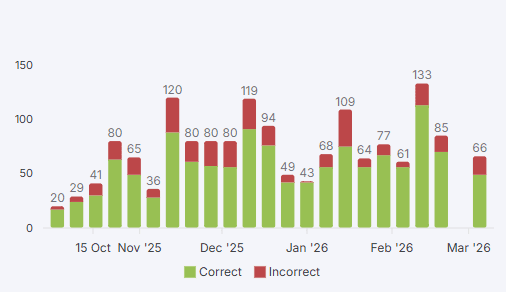
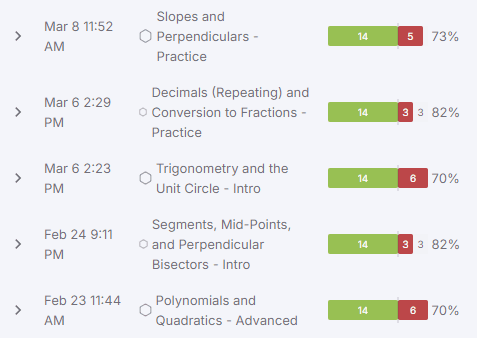
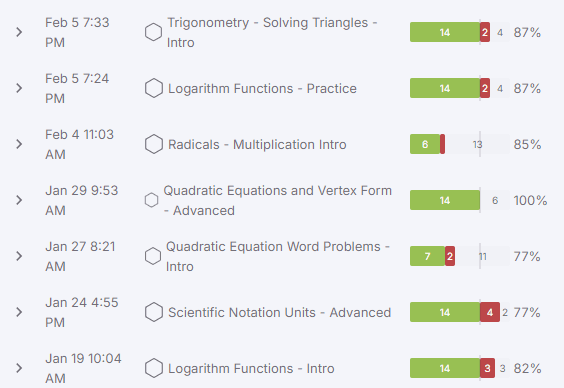
Families receive concise weekly updates that show what improved, where support is still needed, and which next focus area should guide the coming week of learning.
That gives parents practical learning evidence they can understand quickly, so decisions about pacing, reinforcement, and goals stay grounded in what the student is actually showing.
Confidence, confidence, confidence. Mobius is great at building confidence by spending so much time on problems and having the problems get just a little bit harder each time. K gained so much confidence by seeing herself do problems she hadn't thought possible.
Families can see the difference when tutoring raises challenge at the right pace, keeps students engaged, and turns stronger confidence into steadier school progress.


A student's focus area can stay the same even if the tutoring format changes. Families do not have to restart the plan to move between small-group tutoring and private math tutoring.
Small-group tutoring is the more accessible price point for the same platform, individualized learning, and serious math excellence. In the shared live session, each student still works at an individual level, with challenge and pacing that adjust to that student.
Private math tutoring is often the better next step when a student needs detailed attention on what is happening in class right now or when session times should be arranged directly with the tutor for maximum flexibility. It can also focus on building the specific skills behind current assignments and upcoming tests, so school work becomes easier because the student is stronger underneath it.
Book a short evaluation call to review your child's current level, goals, and the best tutoring format for steady progress.
