
Professional Math Teaching
Teach with structure, grow with freedom
Teach ambitious students with a platform that guides lesson flow while you lead the instruction.
Structured, Still Real Teaching
Teaching at Mobius is professional instructional work. Sessions follow a clear structure, but tutors still have to listen closely, explain ideas well, and respond to student thinking in real time.
The platform helps surface the right question set and next focus area. The tutor leads the teaching. That means less guesswork about what comes next, without reducing the job to reading from a script.


Autonomy Within a System
A common concern about platform-based tutoring is loss of teaching autonomy. At Mobius, the structure is there to support strong instruction, not replace tutor judgment.
Tutors still decide how to explain, when to slow down, what mistake needs attention, and how to keep a student engaged. The platform organizes the work, while the tutor makes the session effective.
Which tutoring path helps you build more?
Tutors can find work through several different models, but the tradeoffs around freedom, business growth, and platform support are not the same. This comparison shows where Mobius combines independence with stronger teaching infrastructure.
Feature | Mobius | Marketplaces | Learning Centers | Independent |
|---|---|---|---|---|
| Set your own rates | ||||
| Control your own tutoring schedule | ||||
| Visible, independent validation of your expertise as a tutor | ||||
| Grow your business as large as you desire | ||||
| Curriculum/lesson preparation provided | ||||
| Advanced learning tools | ||||
| Detailed, automatic student assessments | ||||
| Source of new students | ||||
| Tutor from anywhere | ||||
| Payment, scheduling, zoom handled for you |
Clear Standards, Useful Feedback
Quality expectations at Mobius are practical and visible. Tutors are assessed on instructional quality, reliability and preparedness, student engagement, and how well they motivate steady effort.
That makes feedback easier to use. Instead of vague signals, tutors get a clearer view of what strong teaching looks like and where they can keep improving over time.

Autonomy with Structure

Progress Families Can See
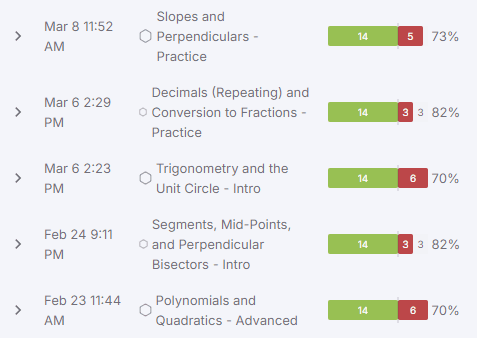
Good teaching should be visible beyond the session. At Mobius, tutors do not just help students work through math in the moment. They also contribute to a clearer picture of what the student is improving and what still needs work.
That makes it easier for families to follow progress with real learning evidence, not just general impressions. It also helps tutors show the value of their teaching in a concrete, professional way.
Visible Weekly Progress
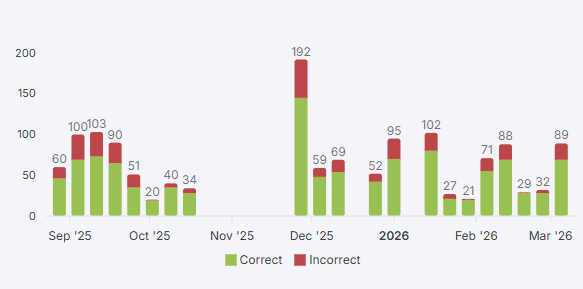
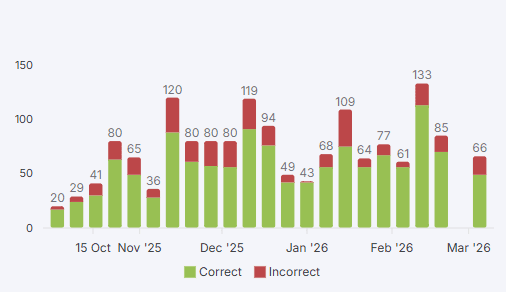
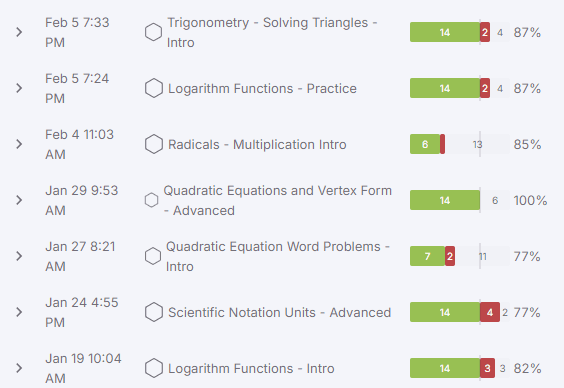
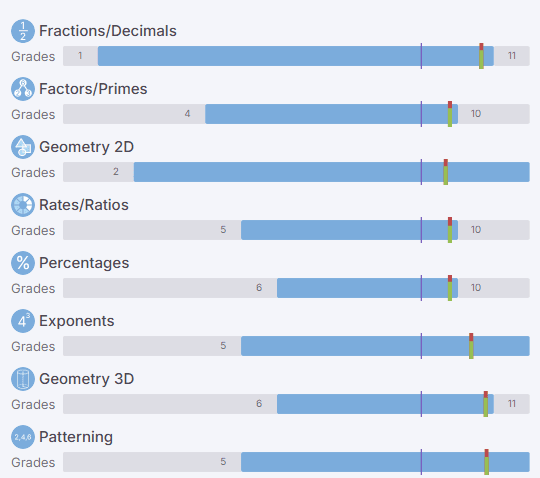
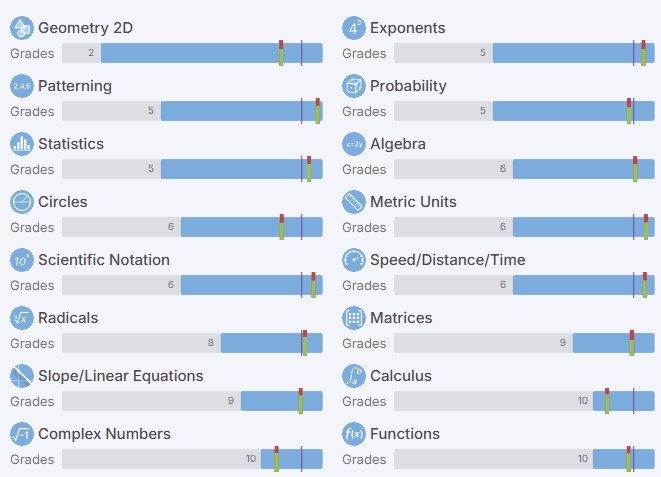
Families receive concise weekly updates that show what improved, where support is still needed, and which next focus area should guide the coming week of learning.
That gives parents practical learning evidence they can understand quickly, so decisions about pacing, reinforcement, and goals stay grounded in what the student is actually showing.
Platform Guidance, Tutor Judgment
At Mobius, tutors are not left to guess what should come next, and they are not reduced to following a script.
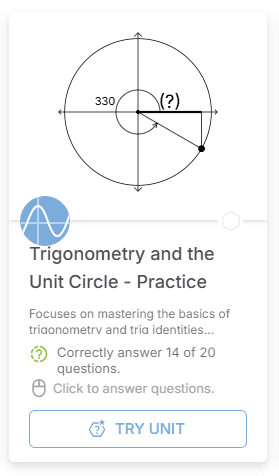
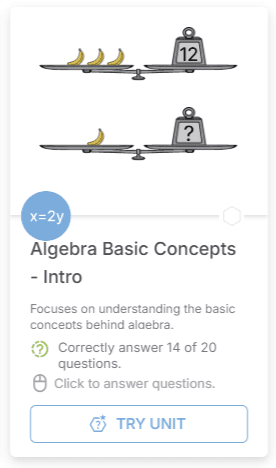
The platform helps identify the next focus area, surfaces the right question set, and signals when a student is ready for more challenge. Tutors then do the teaching that makes that progression work. They explain ideas, adjust pacing, respond to mistakes, and help students stay productive through harder math. That reduces prep guesswork without flattening the job. Tutors can spend less energy assembling materials from scratch and more energy on explanation, feedback, and careful scaffolding during the session itself.
A Long-Range Math Path
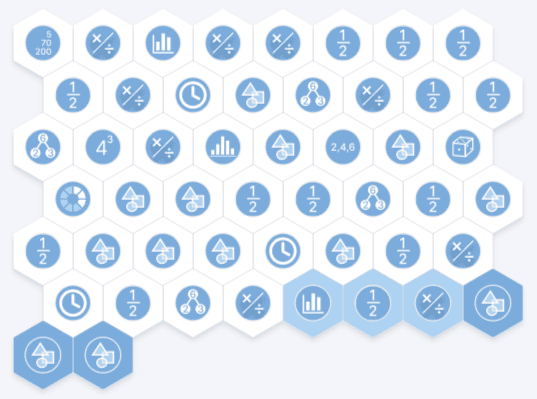
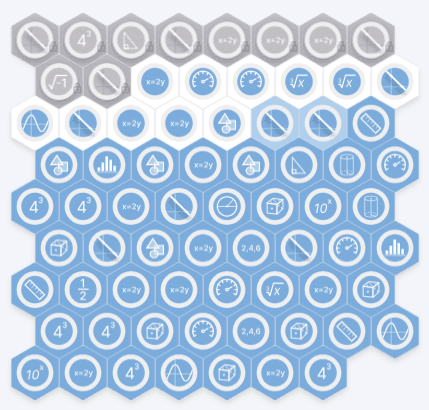
Mobius is built for progress over time, not just one session at a time. As students show readiness, the platform moves them into harder work and helps keep the next level in reach. Tutors guide that progression by explaining new ideas, correcting weak spots, and helping students stay steady through more demanding math. The result is a learning path that can start with today's gaps but keeps building toward stronger future performance in harder courses.

- Grades 1-3Build a passion for math and enjoy the challenge.
- Grades 4-6Build confidence and establish identity as a math person.
- CompetitionsBuild creative problem-solving skills and confidence to tackle hard problems.
- Grades 7-9Develop the key skills that high-school math depends on.
- High SchoolAce the hardest high school math programs.
- SAT / ACTMaster the skills needed to ace the entrance tests.
- STEM FuturesCollege and university STEM programs