1
Pick a Path
Choose the starting point that fits your child now: personalized tutoring or self-guided practice.

Choose tutoring or self-guided practice and start with a path that supports ambitious math growth for college, university, and STEM futures.
Mobius gives families two clear ways to begin: personalized tutoring or self-guided practice. Both can support ambitious students who are building toward college, university, and STEM goals.
If your child starts with small-group tutoring, the tutor leads a shared live session while the work, challenge, and pace still adjust to each student. If your child starts with private math tutoring, support is more direct and centered on the skills your child most needs to strengthen.

Start by choosing tutoring or self-guided practice, then follow the next step for that path.

Choose the starting point that fits your child now: personalized tutoring or self-guided practice.

If you choose tutoring, schedule a 30-minute evaluation to get a clear recommendation on the best format and first focus for your child.

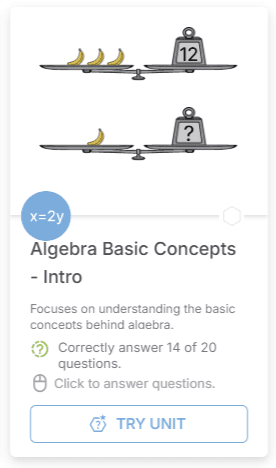
If you choose self-guided practice, create a free account at your child's grade level to explore Mobius and begin learning right away.

The evaluation is a practical conversation, not a commitment-heavy process. Families can talk through current level, goals, confidence, and what kind of support would help most.
By the end, you have a clearer next step. Whether that means private math tutoring, small-group tutoring, or starting with practice first, the decision feels grounded instead of rushed.
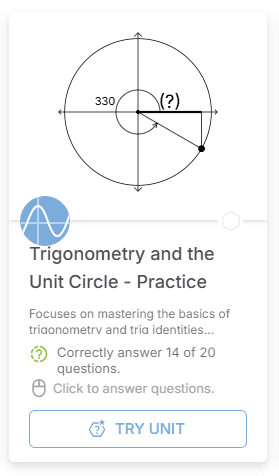
If your child wants to get comfortable first, self-guided practice is a strong place to start. They can begin at their grade level, explore how the platform works, and start learning right away.
That early practice can make the next decision easier. If more structure or direct help would be useful later, moving into tutoring is simple and informed by what your child has already tried.


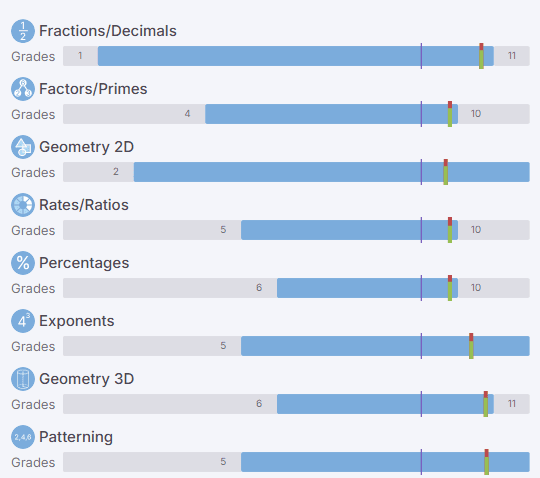
Early progress matters because it helps families decide what to do next. In the first few weeks, Mobius makes it easier to tell whether your child should keep building on the current path or move to more support.
That means you can make practical decisions with more confidence. If practice is going well, you can stay with it. If your child needs more structure, it is easier to move into tutoring with a clearer sense of what will help most.
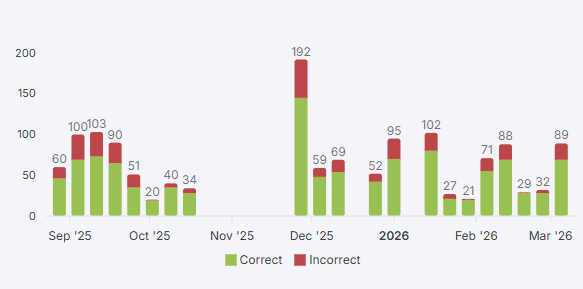
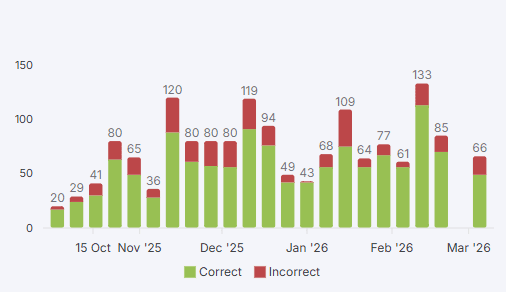
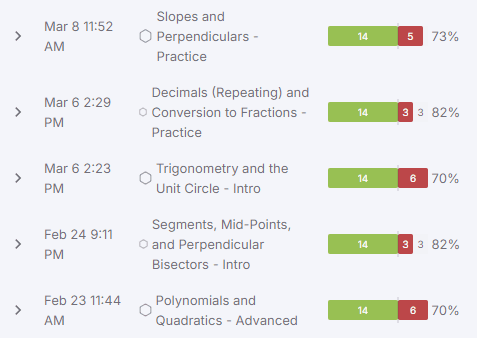
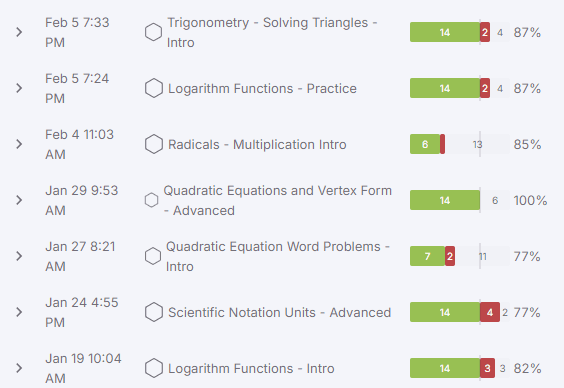
Families receive concise weekly updates that show what improved, where support is still needed, and which next focus area should guide the coming week of learning.
That gives parents practical learning evidence they can understand quickly, so decisions about pacing, reinforcement, and goals stay grounded in what the student is actually showing.
If you are unsure whether tutoring is needed yet, think about what your child needs most right now. Self-guided practice can be a good first step if they are ready to work independently and you mainly want to see how they respond to the platform.
An evaluation makes more sense if your child needs closer direction, has uneven confidence, or would benefit from a clearer recommendation before getting started. That helps families choose between private math tutoring, small-group tutoring, or practice first with more confidence.

Getting started works best when the first step matches what your child is actually ready for.
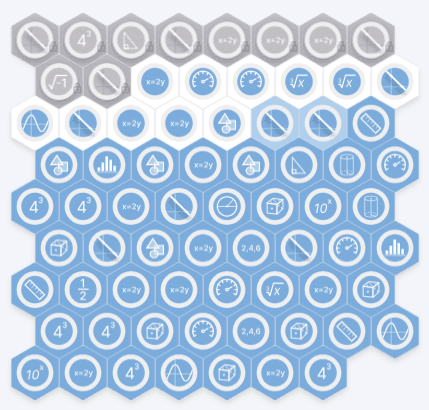
Some students need stronger review before harder work will stick. Others are ready for more challenge sooner. Starting at the right level helps families avoid guesswork. As readiness becomes clear, the platform moves students into harder work while tutors guide students through that next level.
Book a short evaluation call to review your child's current level, goals, and the best tutoring format for steady progress.