
Structured Competition Preparation
Advanced reasoning with better execution.
Train for advanced math contests with weekly coaching that builds method flexibility, smarter pacing decisions, and confidence under timed pressure.
A Format That Fits
Competition-math tutoring can work well in either small-group tutoring or private math tutoring, depending on the kind of support a student needs most.
Small-group tutoring is a strong fit for students who want serious contest practice on the same Mobius platform at a more accessible price point, while still working at an individual level inside the live session.
Private math tutoring is the better fit when a student wants close attention on current contest work, detailed feedback on written solutions, and session timing arranged directly with the tutor.

Competition snapshots
Real Competition Problems
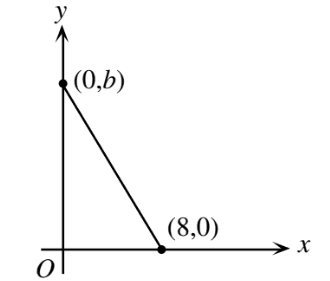
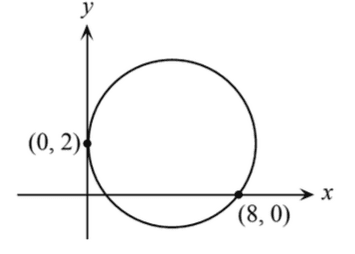
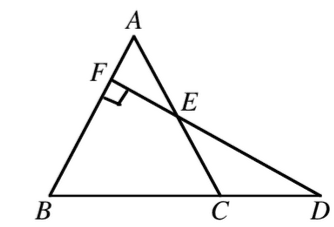
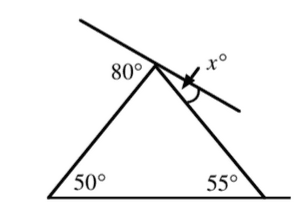
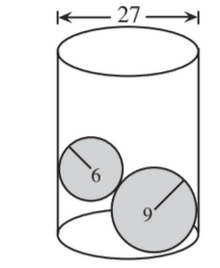
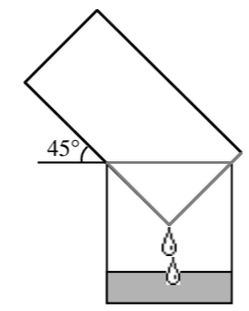
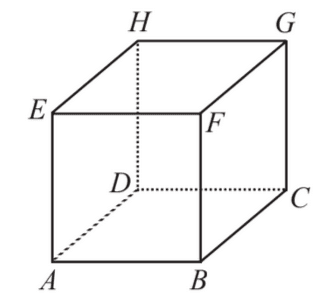
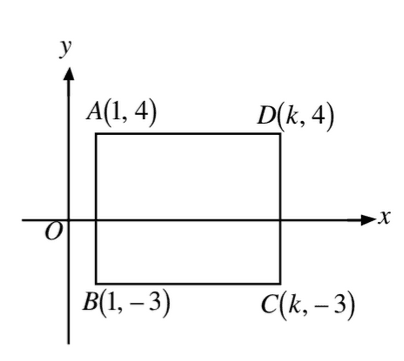
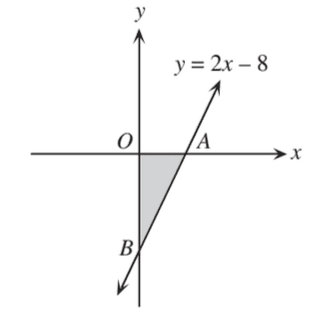
See a sample of the competition-style diagrams and problem layouts students can practice with as they build contest fluency.
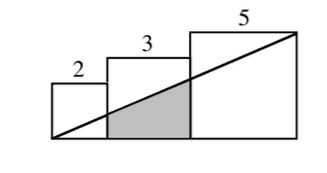

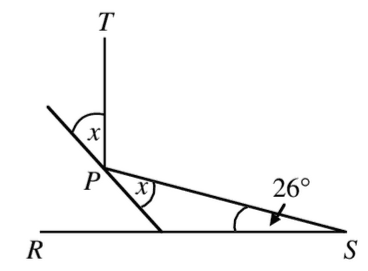
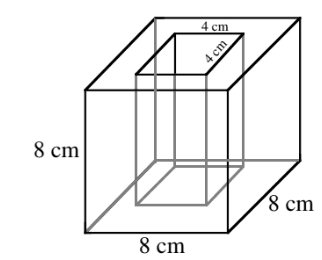

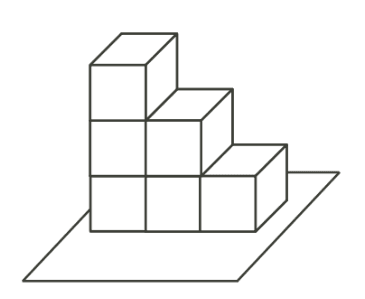



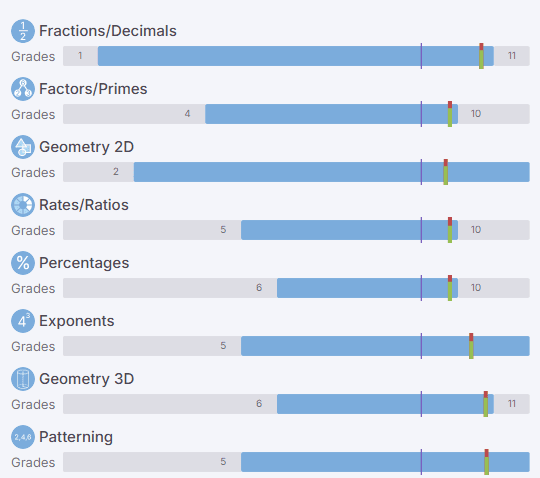
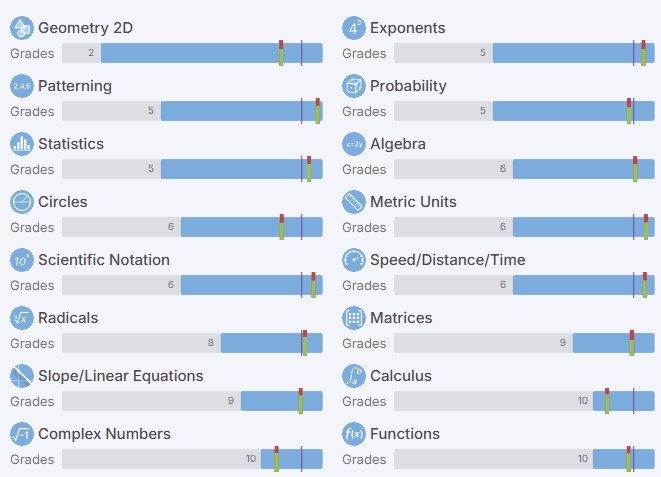
Contest Readiness Baseline
Students start with a clear look at contest readiness across major domains, written solutions, and timed work habits.
That helps the tutor see whether missed points come from content gaps, rushed decisions, weak written explanations, or avoidable execution mistakes.
With that baseline in place, coaching can target the issues most likely to raise performance first.
Foundational Contest Skills
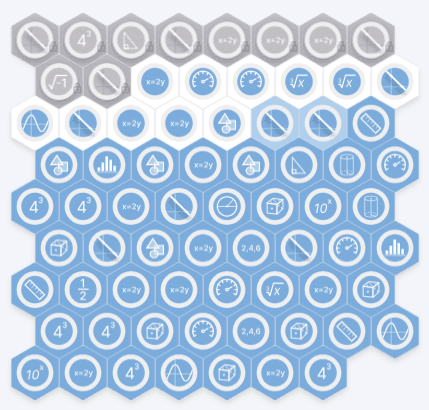
Strong contest results usually come from a clear base, not just harder problem sets. Students build reliable skill across algebraic manipulation, number theory, geometry reasoning, combinatorics, proof-style writing, and timed problem choice. As that foundation strengthens, practice can move into tougher sets and sharper pacing decisions without losing accuracy.
Number Theory and Prime Factorization
Students solve number problems using divisibility, factorization, and.
Algebraic Manipulation and Equation Solving
Students transform complex expressions and solve equations with.
Geometric Reasoning and Visualization
Students use diagram logic and geometric constraints to.
Counting and Probability Strategies
Students count arrangements efficiently and apply probability tools.
Pattern Recognition and Sequence Analysis
Students identify sequence rules quickly and generalize patterns.
Functional Relationships and Mathematical Modeling
Students model variable relationships and use functions to.
Exponents and Radical Simplification
Students streamline calculations by applying exponent and radical.
Advanced Geometric Relationships
Students apply theorem-based geometric reasoning to distance and.
Featured Skill
Number Theory and Prime Factorization
Students solve number problems using divisibility, factorization, and.
Sample preview unavailable for this skill.
Clear Written Reasoning
CEMC-style practice helps students explain each step clearly, not just reach an answer.
They learn to handle unfamiliar questions, justify why a method works, and write solutions a grader can follow from start to finish.
That kind of written reasoning builds habits that matter on proof-based contests and in advanced math classes.


A Deliberate Method
Competition-math tutoring works best when students learn what to solve and how to solve it under pressure.
Tutors diagnose weak spots, teach pattern recognition and solution strategy, and help students judge when a method is fast, reliable, or too risky for the clock.
Timed sets and review sessions show which choices helped and which habits still need work.
How the Method Works
The same method principles support stronger challenge, better retention, and steadier confidence across the full learning journey.
On-Level
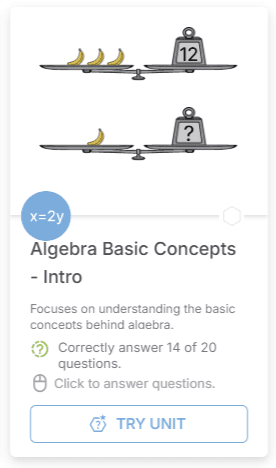
Each kid does math at their exact level.
Spaced Repetition
Concepts are revisited over time to ensure retention.
Active Problem Solving
Majority of time spent solving problems not passively listening
Scaffolded Skills
Kids build understanding through small increments in difficulty.
Adaptive Difficulty
Difficulty adapts with success to keep kids challenged.
Math Excellence
On-Level
Each kid does math at their exact level.
Spaced Repetition
Concepts are revisited over time to ensure retention.
Active Problem Solving
Majority of time spent solving problems not passively listening
Scaffolded Skills
Kids build understanding through small increments in difficulty.
Adaptive Difficulty
Difficulty adapts with success to keep kids challenged.
Progress You Can Track
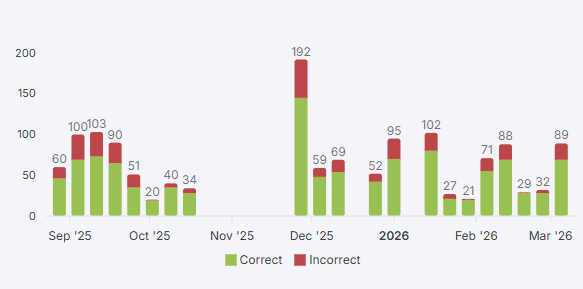
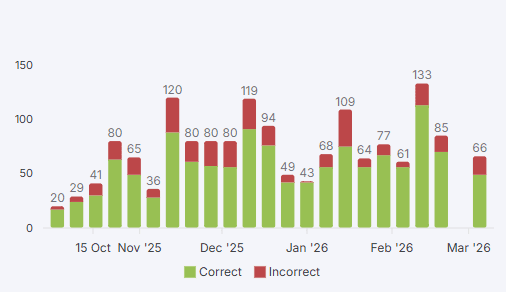
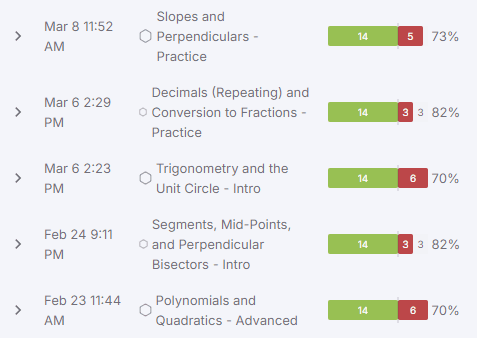
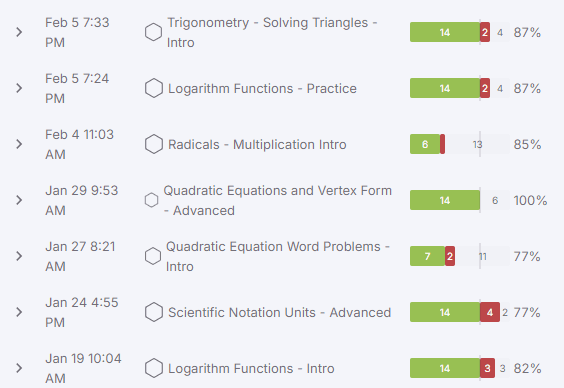
Progress becomes clearer when families can see more than a score from one practice set.
Mobius tracks changes in contest readiness, timed-set performance, written-solution quality, and the kinds of mistakes a student is making less often.
That gives parents a concrete view of what is improving and what the next focus should be.

Timed Simulation Cycles
Students do regular timed practice that mirrors real contest pressure instead of saving all timing work for the end.
Tutors use short sets, longer simulations, and pacing checkpoints to show where time is being spent well and where points are being lost.
Each review turns those results into the next practice plan, so students build stronger judgment, steadier pacing, and better execution week after week.

Weekly Visibility
Visible Weekly Progress
Families receive concise weekly updates that show what improved, where support is still needed, and which next focus area should guide the coming week of learning.
That gives parents practical learning evidence they can understand quickly, so decisions about pacing, reinforcement, and goals stay grounded in what the student is actually showing.
Clear patterns
Useful updates
Actionable next steps

Schedule Your Evaluation
Book a short evaluation call to review your child's current level, goals, and the best tutoring format for steady progress.
- Personalized math skill evaluation
- Insight into strengths and learning gaps
- No obligation to enroll