1
Parent Sign-up
Use your usual parent sign-up process to enroll students in the lunch or after-school program.
Free for schools and teachers, this school-run after-school or lunchtime math games program gives students extra math time families value while your school stays in control of enrollment, scheduling, and parent pricing.
Schools can run this program with the staff they already have. Teachers, support staff, or after-school supervisors can lead sessions using normal school routines, without needing specialist math training.
Setup is light. Mobius provides the platform, games, and automatic right-level math, while your school handles supervision, enrollment, and scheduling in the way that already works for your program. Schools and teachers do not pay to launch it.

The format works especially well for grades 1 through 6 because students can learn the game flow quickly and stay engaged during lunch or after-school sessions.

Use your usual parent sign-up process to enroll students in the lunch or after-school program.

Set parent pricing based on how many sessions your school plans to offer.

Make sure each student has a laptop, whether it is provided by the school or brought from home.

Create an account for each student so Mobius can track progress and adapt difficulty. No personal identifying information is needed.

Choose a game, press start, and let students play while Mobius adjusts the math level for each learner. Each game lasts about 7 minutes, so staff can celebrate progress and start the next round easily.

A large game library helps sessions stay fresh while students keep doing meaningful math.
That variety makes it easier to keep students interested across many sessions without losing the academic value families and schools want.
Students can rotate through a wide range of game worlds while staying on meaningful math practice. The variety helps schools keep after-school sessions fresh across weeks, terms, and mixed-interest groups.
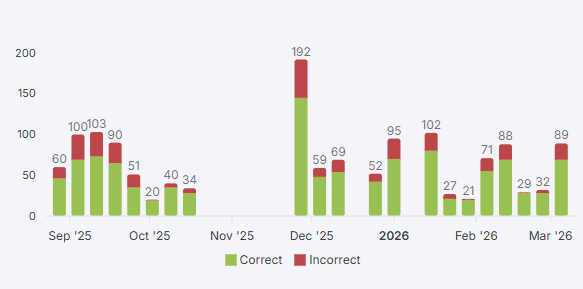
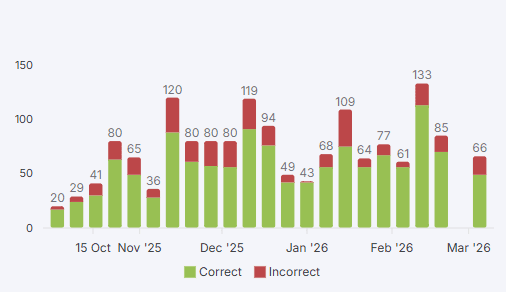
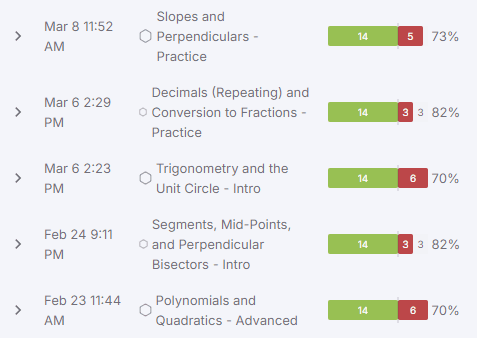
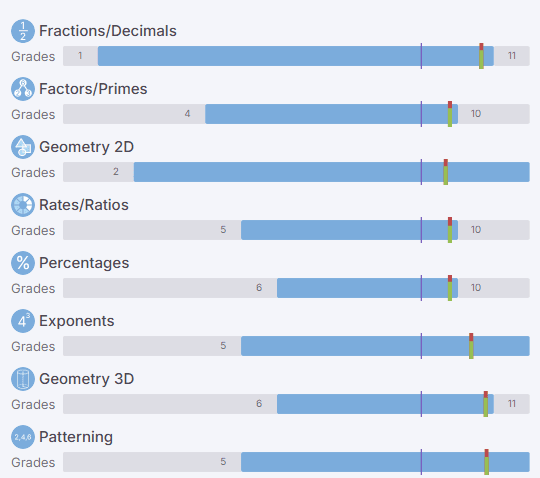
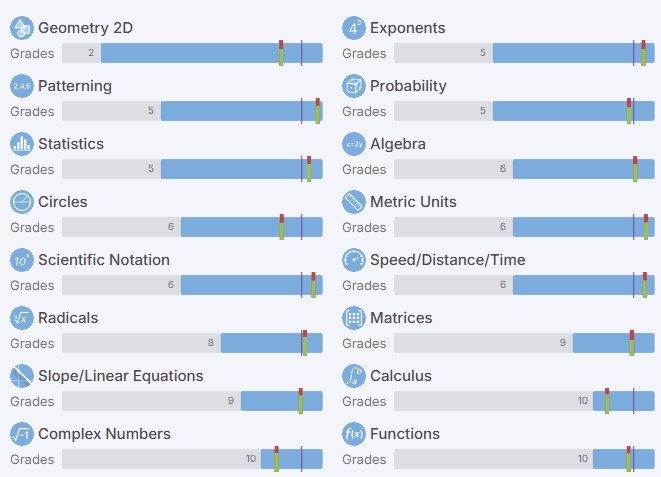
Families receive concise weekly updates that show what improved, where support is still needed, and which next focus area should guide the coming week of learning.
That gives parents practical learning evidence they can understand quickly, so decisions about pacing, reinforcement, and goals stay grounded in what the student is actually showing.
Families value the extra STEM learning time because it gives lunch or after-school hours a clear academic purpose. Students get more meaningful math time in a format they are happy to join.
That makes the program easier to explain and easier to sustain. Parents can see that the time is both engaging and worthwhile, not just another activity to fill the schedule.


Mobius provides the platform, game library, and adaptive math experience, while your school runs the program on site and stays in charge of the daily routine.
That means schools can offer a strong math experience without building everything from scratch. Students get engaging, right-level practice, and the school remains the face of the program for families.
Schools can use the same program at lunch or after school, depending on what fits the day. Short game rounds make it easy to run within the time your school already has available.
Because students learn the routine quickly, sessions are easier to supervise and easier to repeat week after week. The format feels organized for staff and fun for students.

A wide game library helps the program stay fresh over time. Students can rotate through different game worlds and formats while still getting meaningful math practice.
That variety helps schools keep interest high across many sessions. Students keep seeing something new, while the program itself stays simple to run.

Let's jump on a quick call to get you set up and explain how to run a lunch-time / after-school math program at your school.