
Daily Math Differentiation
For mixed-readiness classrooms
Full differentiation uses student accounts, right-level placement, and adaptive daily work to make mixed-readiness classrooms manageable.
Built for Daily Use
Unlike zero-friction launch activities, daily differentiation in Mobius starts with student accounts. That setup gives the platform the structure it needs for ongoing classroom use, while keeping the workflow practical for teachers.
Teachers create the class, add students, and run leveling in the math themes they plan to teach. Mobius handles the placement work, but teachers stay in control and can review or override levels and pathways when classroom judgment calls for it.


One Theme, Different Starting Points
After leveling, teachers can launch daily work in one shared math theme while students begin at the level that fits their readiness. That gives mixed-readiness classrooms a practical structure without forcing everyone through the same starting point.
Mobius automates the level-based unit selection inside that theme, and teachers can still adjust the path for any student. The result is a daily routine that is easier to sustain because the core differentiation mechanics are built into the platform, not managed by hand all class long.
Independent Work, Backed by Support
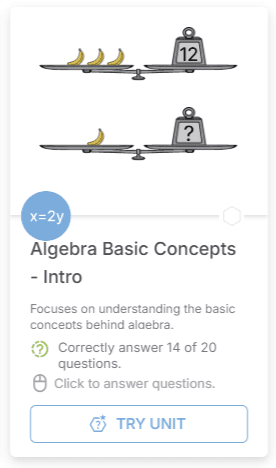
Once daily work begins, students can spend most of the class moving through scaffolded units on their own. That makes differentiated classroom time more workable because students are not all waiting for the next whole-class step.
When students hit difficulty, Mobius provides clear per-question explanations and solutions so they can keep going. Teachers can then step in where support matters most, instead of having independent work stall out as soon as a student gets stuck.

Stronger Challenge for Advanced Students
Some advanced students still need more challenge, even in a differentiated classroom.
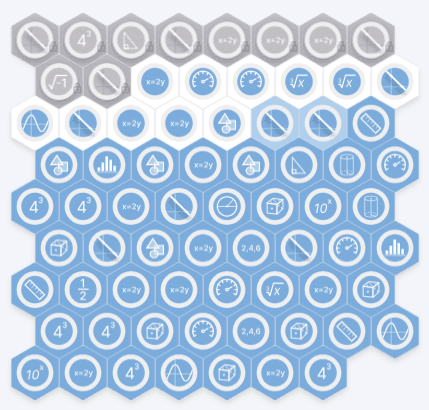
Mobius can support that in two ways. Students who are ready can move ahead within the same theme as they complete units, and students who need a deeper stretch can work on competition-oriented problem solving when that is the better fit. That gives schools a practical way to challenge advanced learners without breaking the classroom structure.
Practice for Weak Points
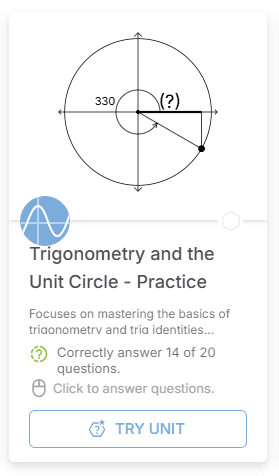
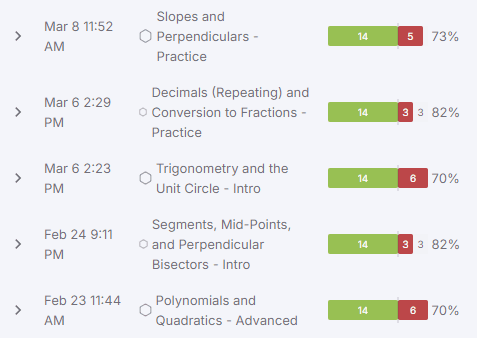
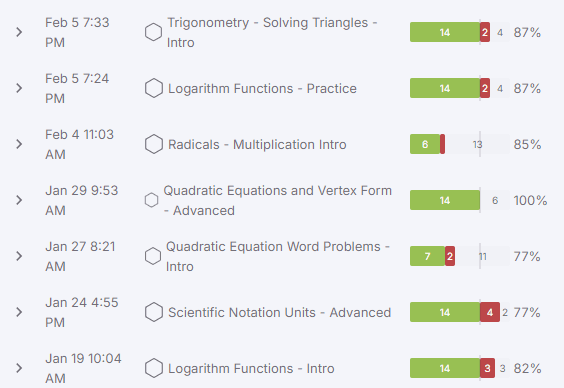
Practice gives teachers a separate weekly routine for challenge areas that need more reinforcement. It helps students revisit weak points with guided explanation and extra reps, instead of only meeting those skills inside daily units.
That makes Practice different from SpeedPlay. Daily units move learning forward, Practice strengthens shaky skills with targeted support, and SpeedPlay builds fluency so important facts and procedures become easier to use.
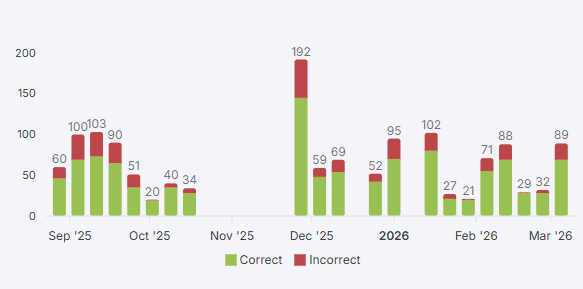
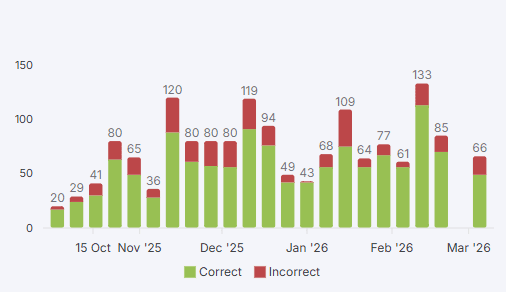
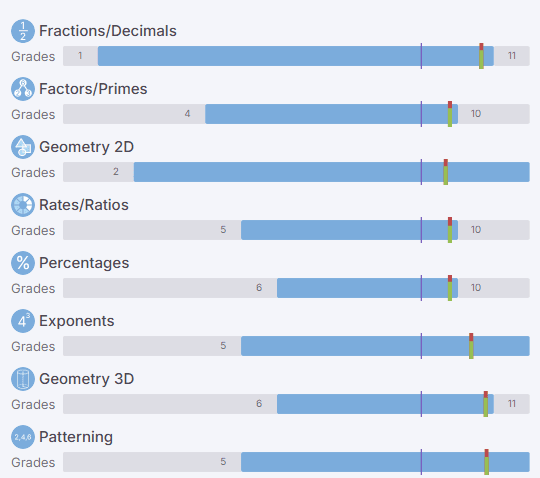
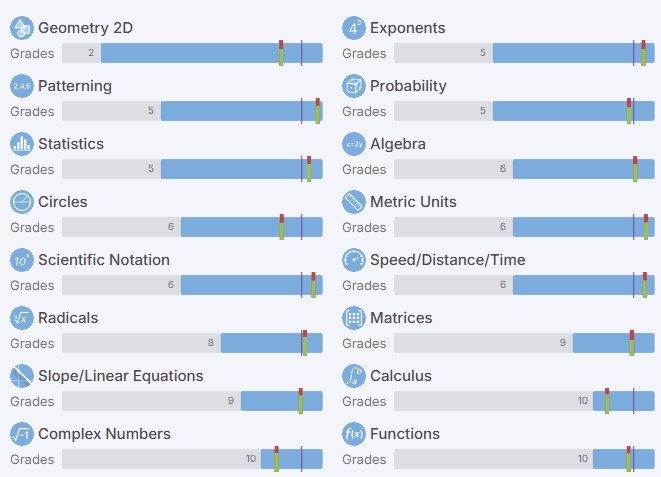
Back to the basics is what I like. With Mobius, E gets good at things that need to be second nature as the math gets harder.
SpeedPlay Builds Fluency
SpeedPlay gives teachers a quick fluency routine they can bring back every week or two.
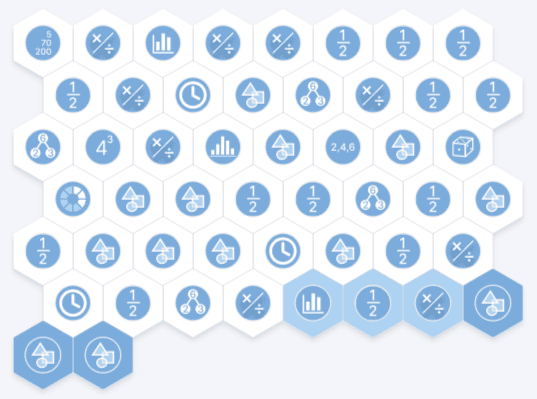
Those short sessions use fast, repeated practice to strengthen facts, procedures, and other foundational skills until they feel more automatic. Used alongside daily units and Practice, SpeedPlay helps students build fluency that makes new classwork easier to handle.

Easy Teacher Launch
Let's jump on a quick call to show how this is quick to set up, easy to run, aligned with your curriculum, and free for you and your school.
- Quick explanation and setup
- Don't worry, it's completely free for you and your school