1
Quick Evaluation
We start with a short evaluation, then help your family choose between small-group tutoring and private math tutoring based on your student's goals and support needs.

Mobius helps ambitious math students start at the right level, stay actively engaged in each session, and make clear progress over time.
Every tutoring path starts the same way: a quick evaluation, right-level placement, shared priorities, focused practice, adaptive challenge, and weekly updates families can actually use. Small-group tutoring and private math tutoring follow this same core method.

We start with a short evaluation, then help your family choose between small-group tutoring and private math tutoring based on your student's goals and support needs.

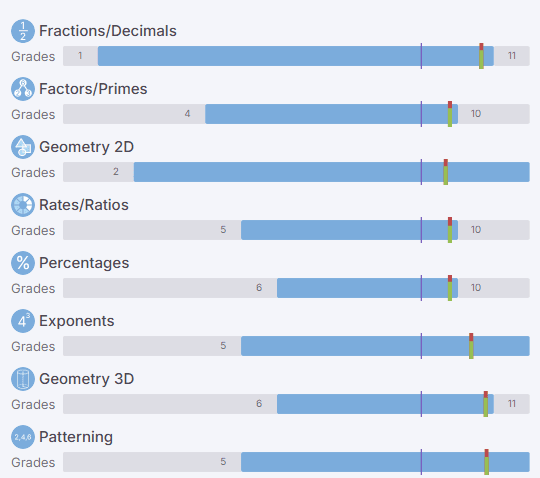
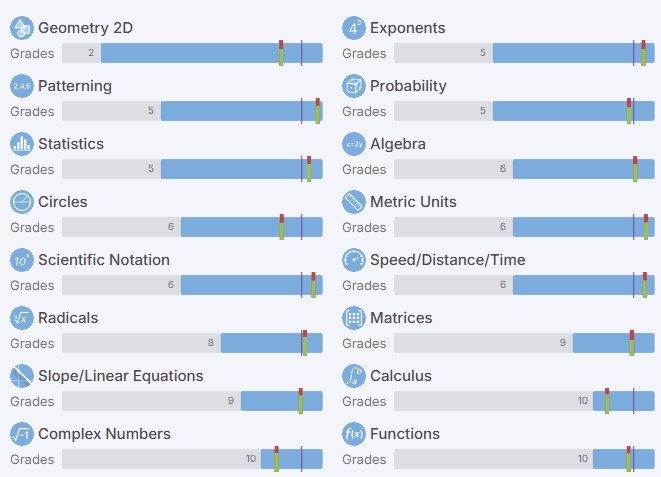
Your student works across key math themes so we can see current readiness and place them at the right starting level.

The tutor aligns with your family on focus areas and sets clear starting priorities for the first stage of tutoring.

Sessions run in short tutor-guided challenge cycles, usually about 7 to 10 minutes per exercise block, with lots of active problem solving.

The work begins at an accessible level, gets harder with success, and steps back when needed so challenge stays productive.

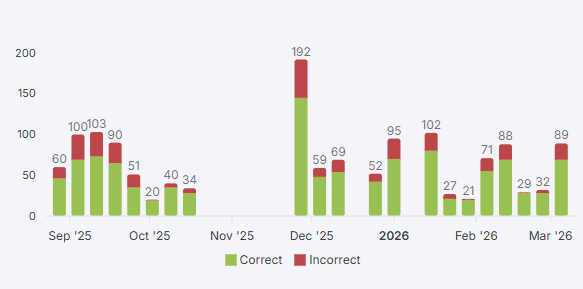
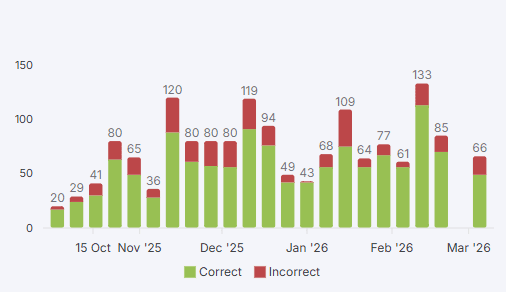
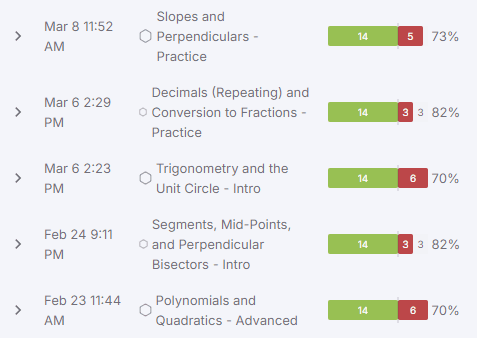
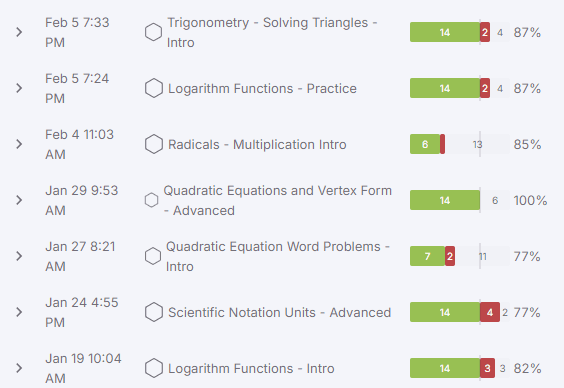
Families receive concise weekly updates on strengths, gaps, and the next focus areas.
Both formats use the same Mobius approach, but the day-to-day experience feels different. Small-group tutoring gives students individual challenge and pacing inside a shared live session, making it a more accessible price point for the same platform and serious math support.
Private math tutoring is the better fit when a student needs more detailed attention on what is happening in class right now. It also offers the most scheduling flexibility, since session times are arranged directly with the tutor.


Tutoring works best when students start in the right place. Mobius places each student based on current readiness, not by age, grade, or a one-size-fits-all lesson path.
In small-group tutoring, the tutor runs one live session while challenge and pacing still adjust to each student. In private math tutoring, that same right-level approach can stay closely tied to the student's current class needs.
Families receive concise weekly updates that show what improved, where support is still needed, and which next focus area should guide the coming week of learning.
That gives parents practical learning evidence they can understand quickly, so decisions about pacing, reinforcement, and goals stay grounded in what the student is actually showing.
Tutors do not have to guess what comes next. Mobius helps surface patterns in a student's work so support can stay specific, targeted, and useful from session to session.
As a student shows readiness, the platform moves them into harder work and the tutor helps them succeed there. That keeps tutoring personal without making progress feel random or inconsistent.


Strong math preparation is about more than getting through the next assignment. Students need to handle unfamiliar problems, explain their thinking clearly, and stay steady when courses become more demanding.
Those skills matter in advanced classes now and in college, university, and many STEM paths later. Steady tutoring helps students build the kind of math thinking they can keep using as expectations rise.
Mistakes are not treated as dead ends. During sessions, tutors use wrong answers, hesitation, and partial understanding to see exactly where a student is getting stuck.
That helps the tutor respond in the moment and shape the next practice block around the skill that needs work. Over time, those corrections turn errors into clearer understanding instead of repeated frustration.

A student's needs can change during the year, so tutoring is built to adjust. Priorities can shift as school demands change, confidence rises, or new gaps appear.
That flexibility helps support stay useful over time. Families can keep building foundations, strengthen current weak spots, or prepare for more advanced math without losing continuity.

Book an evaluation to get a clear picture of your child's current math level and talk through the best next step. You will leave with a better understanding of where support can help most and which tutoring format makes sense to start with.