Clear Standards for Tutors
Observable teaching, week after week
Mobius sets clear standards for session quality, student engagement, adaptive teaching, and professional communication so tutors know what strong teaching looks like and families can trust what they see.
Repeatable Teaching Standards
Tutor quality at Mobius is defined by repeatable instructional behaviors, not vague impressions. Strong sessions have a clear goal, active student participation, checks for understanding, and teaching moves that respond to what the student shows.
Those standards cover session quality, student engagement, platform-informed decisions, and professional communication. Because they are observable, they can be coached clearly and applied consistently over time.

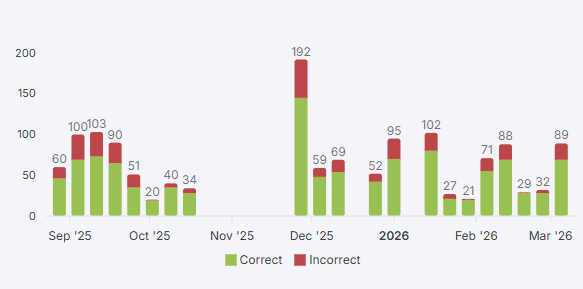
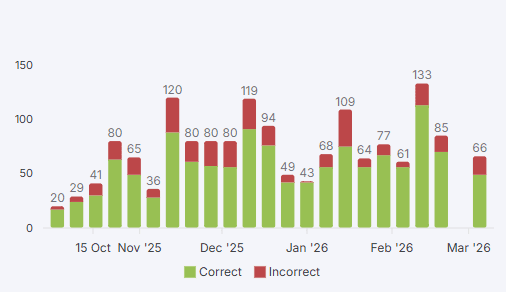
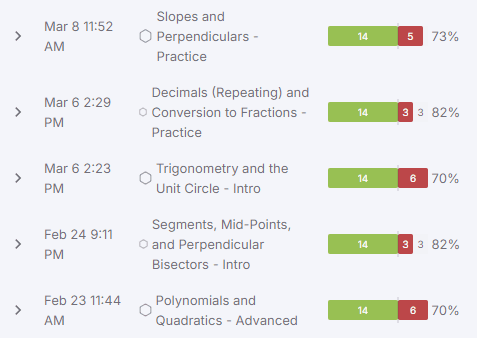
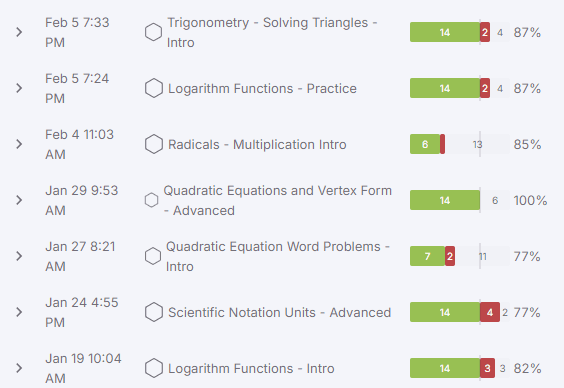
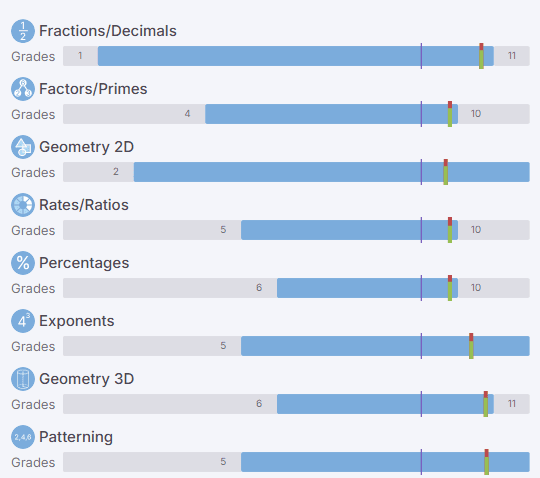
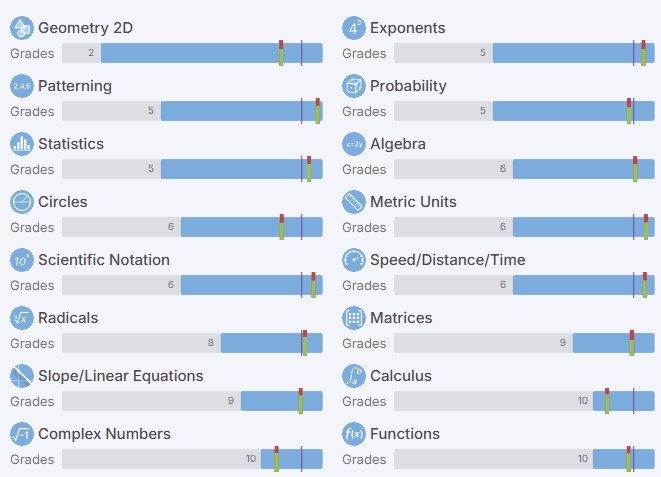
Every week we see detailed results on what T did and anywhere she struggled. We can work on practice problems right then and there. This is much better than waiting for an end-of-year report card to know how things are going.
Clear Weekly Evidence
Weekly progress communication should be practical, clear, and grounded in evidence.
Tutors record what the student could do independently, where support was still needed, and what the next focus should be. Families should be able to understand pacing and next steps in plain language, so progress is visible from week to week instead of left to guesswork.

Visible Weekly Progress
Families receive concise weekly updates that show what improved, where support is still needed, and which next focus area should guide the coming week of learning.
That gives parents practical learning evidence they can understand quickly, so decisions about pacing, reinforcement, and goals stay grounded in what the student is actually showing.

One Standard, Two Formats
The same quality framework applies in both private math tutoring and small-group tutoring. Clear goals, active math, careful checks for understanding, and useful next steps should show up in every session.
What changes is the format, not the standard. In private math tutoring, the tutor can stay tightly focused on one student throughout. In small-group tutoring, the tutor manages a shared live session while still keeping each student engaged, challenged, and moving through work at the right level.
Standards That Support Ambition
Consistent standards help ambitious students build toward advanced math, competition work, and future college, university, and STEM pathways. Clear goals, strong engagement, and evidence-based next steps make that long-range growth more dependable.

- Grades 1-3Build a passion for math and enjoy the challenge.
- Grades 4-6Build confidence and establish identity as a math person.
- CompetitionsBuild creative problem-solving skills and confidence to tackle hard problems.
- Grades 7-9Develop the key skills that high-school math depends on.
- High SchoolAce the hardest high school math programs.
- SAT / ACTMaster the skills needed to ace the entrance tests.
- STEM FuturesCollege and university STEM programs
Active, Adaptive Teaching
Strong sessions are not passive. Students should be doing math, explaining thinking, and responding often enough that the tutor can see what is real and what still needs work.
That live evidence is what lets teaching adapt well. Tutors can slow down, press for clearer thinking, or move ahead when readiness is there. The goal is steady challenge with support that matches the student in front of them.


Useful Coaching Feedback
Standards only help if they lead to specific improvement. After reviews, tutors need feedback they can use in the very next session, not abstract labels about how they did.
Clear next steps make coaching easier to apply and easier to repeat. Over time, that creates more consistent teaching for students and a more dependable experience for families.
Standards with Flexibility
A strong standard should create consistency without making tutoring mechanical.
The point is not to force every session into the same script. It is to make sure strong teaching habits show up reliably: clear goals, active math, careful checks for understanding, and next steps that fit the student. That balance helps tutors stay responsive while families still see a dependable level of quality.