1
Choose the Right Guide
Start with the guide that matches your family’s current challenge or the specific math need your student is facing right now.

Mobius parent guides help families build strong math habits at home so students can grow toward college, university, and STEM goals with more confidence.
Parents do not need to recreate school at home to help a student working toward college, university, or STEM goals. What matters most is having a simple way to support progress without adding more pressure.
Mobius parent guides give families practical routines they can actually use in a busy week. Instead of asking parents to build a full plan from scratch, they show clear next steps that make support feel more manageable.
That helps families stay consistent, and it gives students steadier support they can count on over time.

This simple weekly routine helps busy families support math with less pressure, more consistency, and a clear next step when a student stays stuck.

Start with the guide that matches your family’s current challenge or the specific math need your student is facing right now.

Begin with just one or two weekly routines, not a big plan, so support feels realistic and easier to keep going.

Keep practice in short blocks with a clear break and a quick review so the time stays focused and repeatable.

During support moments, use calm, constructive language that helps your student think again and keep working.

Watch for the same stress points coming up again and again, then adjust the routine around those trouble spots.

If a bottleneck keeps showing up, use a skill check or a tutoring referral to find more targeted support.
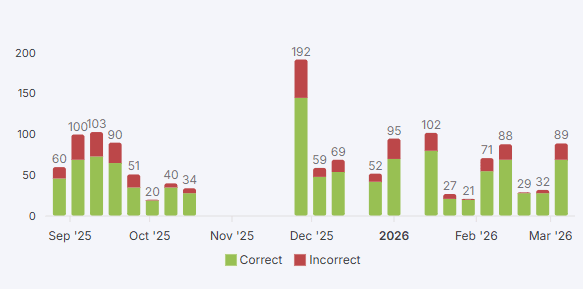
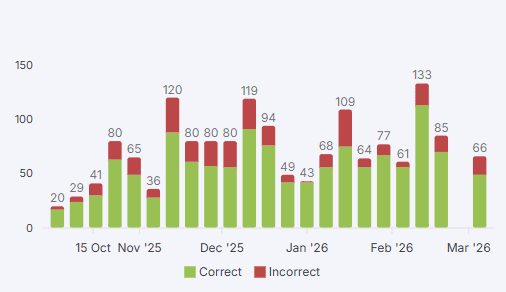
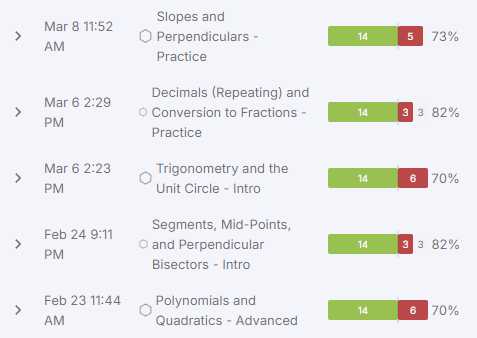
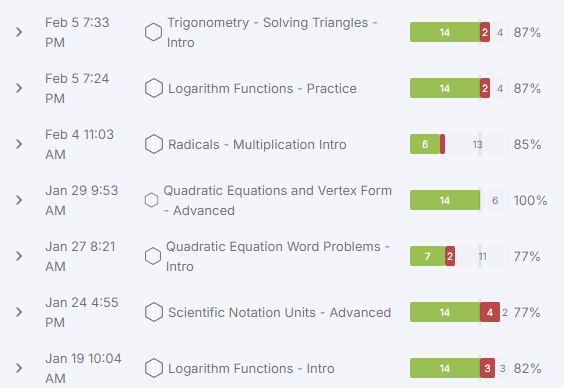
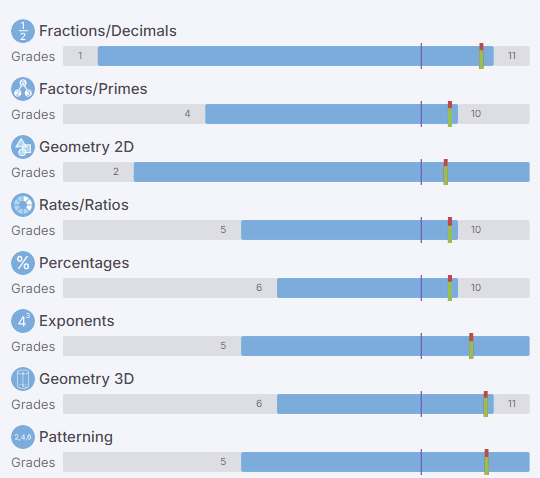
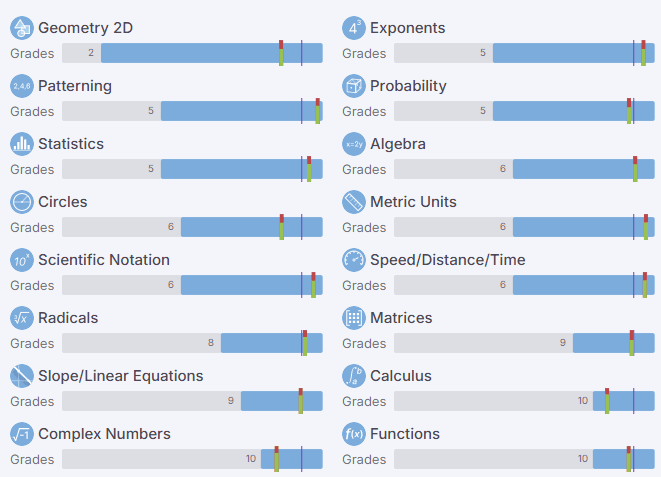
Families receive concise weekly updates that show what improved, where support is still needed, and which next focus area should guide the coming week of learning.
That gives parents practical learning evidence they can understand quickly, so decisions about pacing, reinforcement, and goals stay grounded in what the student is actually showing.

Mobius guides help parents support progress without becoming full-time tutors at home.
The goal is steady structure, not constant supervision. Families can use simple routines, better questions, and clear feedback without turning every homework moment into a long lesson.
That makes support more sustainable for parents and more productive for students.