Human Support Matters

Why tutors still matter

Mobius pairs human encouragement with adaptive technology so students get both personal support and math at the right level.

Why Humans Still Matter

Technology can help identify the right math for each student, but learning still depends on a person who keeps the student engaged and moving.

The strongest experience combines both. Mobius uses technology to support better-fit learning, while tutors bring encouragement, accountability, and steady human support.

Why Humans Still Matter
Better-Fit Math

Better-Fit Math

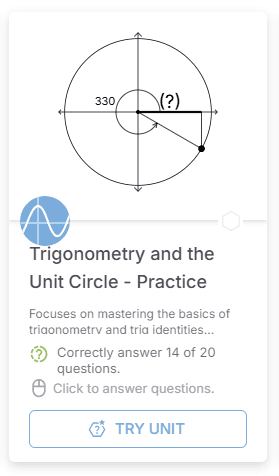
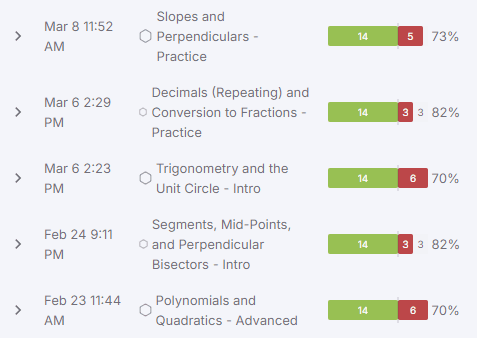
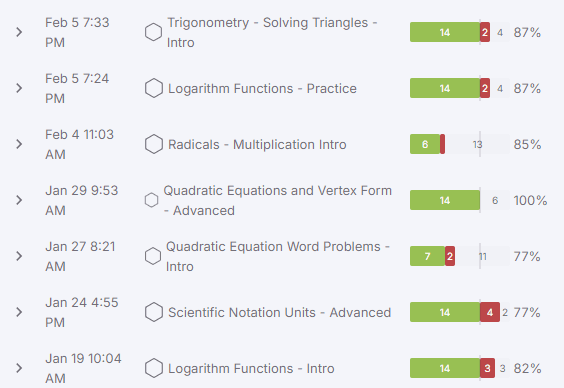
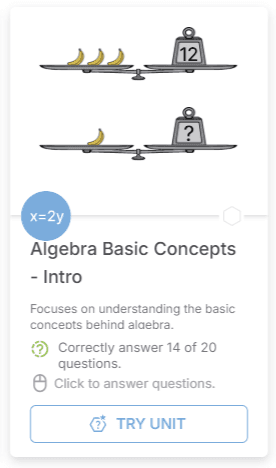
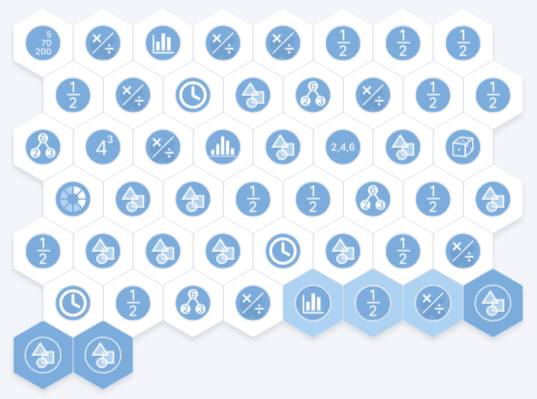
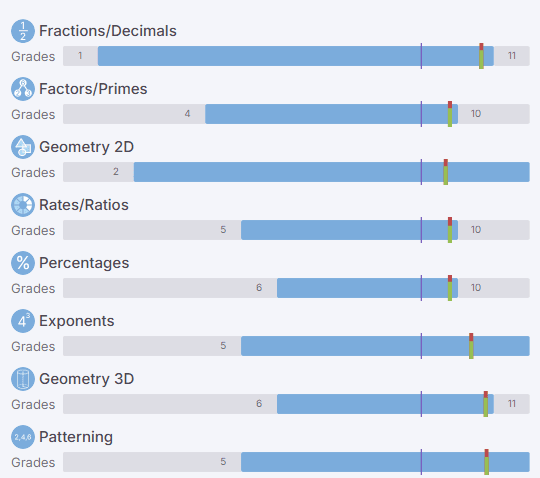
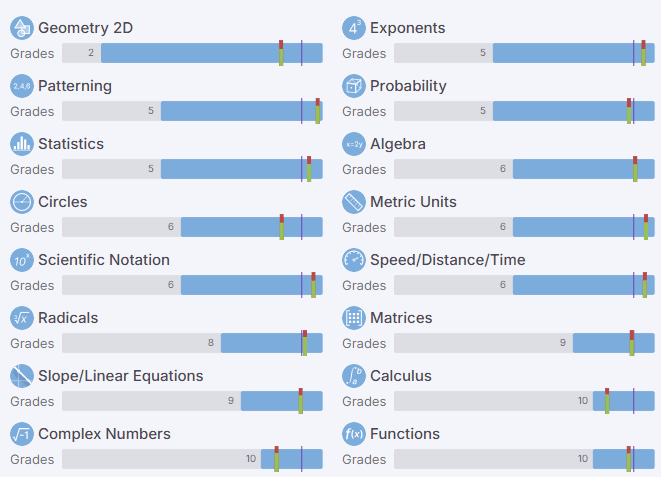
Mobius uses each student's history to identify math that better matches current readiness.

That helps instruction start in a more useful place, so students spend less time in work that is too easy or too far ahead.

Human Encouragement

Even with well-matched math, students still need human support to keep going when the work feels hard.

Tutors help students stay focused, encouraged, and willing to keep working through challenging questions.


Human Encouragement
Motivation and Accountability

Motivation and Accountability

Humans remain essential in education because students need more than explanation alone.

Tutors provide encouragement, accountability, and relationship. That support helps students stay engaged and keep working when effort matters most.

Loved by parents and students alike

Weekly Visibility

Visible Weekly Progress

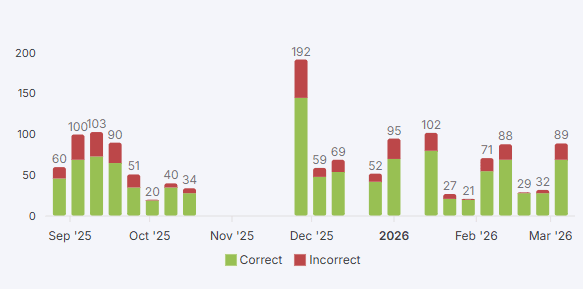
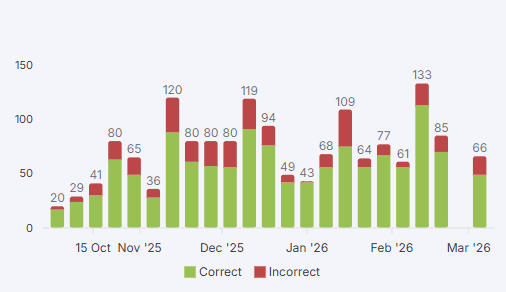
Families receive concise weekly updates that show what improved, where support is still needed, and which next focus area should guide the coming week of learning.

That gives parents practical learning evidence they can understand quickly, so decisions about pacing, reinforcement, and goals stay grounded in what the student is actually showing.
Clear patterns
Useful updates
Actionable next steps

Frequently Asked Questions

Tutors are expected to deliver clear explanation, active session flow, reliable communication, and consistent professionalism anchored in observable instructional quality behaviors.

Typical stages include profile submission, instructional evaluation, readiness review, and onboarding for selected applicants. The process is selective and criteria-based.

Yes. Selected tutors receive onboarding guidance for platform workflows, session standards, and family communication expectations before taking on active teaching responsibilities.

Strong profiles highlight teaching experience, subject depth, communication clarity, and practical learner-focused approach. Families need clear evidence of instructional fit.

Scoring includes instructional consistency, student engagement quality, communication reliability, and progress-support behaviors. It is used to guide coaching and quality improvement.

Relevant teaching experience is preferred, and instructional potential is assessed through structured evaluation. Selection focuses on quality, professionalism, and learner-centered execution.

Tutors are expected to communicate clearly, prepare reliably, and uphold consistent standards in session quality, family updates, and scheduling commitments.

Yes. Selective recruitment helps maintain consistent instructional quality for students and families. Admission decisions are made through criteria-based evaluation rather than open enrollment.

Tutors teach in a standards-driven environment with platform support, clear expectations, and ongoing feedback focused on practical instructional growth over time.