Math and Critical Thinking
Why math still matters in the AI era
Use this guide to explain how math builds reasoning, logic, and the habit of checking whether an answer is actually true.
Why Reasoning Still Matters
As AI makes answers easier to get, students still need to reason through a problem and decide whether the result makes sense. That habit matters more, not less, when fast answers are everywhere.
Math still matters because it trains students to use logic, follow an idea past a first hunch, and reach a conclusion they can stand behind. In an AI-shaped world, that kind of thinking stays valuable even as tools change.

Loved by parents and students alike

Talking with Parents
When parents ask why math matters in the age of AI, tutors can give a clear answer: math helps students reason through a question, use logic, and move beyond a first hunch.
That explanation keeps the conversation grounded. It connects math to a lasting skill families care about: helping students think carefully, judge whether an answer is true, and reach conclusions with more confidence.
How Mobius Makes It Visible
Mobius helps tutors talk about math as more than answer-getting. It gives them a clear way to connect math work to logic, reasoning, and the habit of checking whether an answer is actually true.
That makes the message practical for parent conversations. Tutors can explain that even if future work uses fewer direct procedural math skills, students will keep using the critical-thinking habits they build through math.
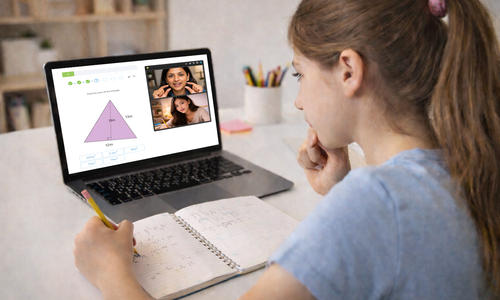

Why These Skills Last
Critical thinking will matter in any fast-changing AI world. Students may use fewer direct procedural math skills in some future settings, but they will still need to reason clearly, weigh choices, and decide what is true.
That is why math remains such strong preparation. It gives students repeated practice with logic, careful thinking, and reaching a sound conclusion instead of stopping at the first answer they see.
When Challenge Math Fits
For students who want more challenge, competition-style math can be a strong fit. It asks for patience, structure, and a willingness to stay with a hard problem instead of looking for the fastest path out.
That kind of work is not for every student, and it does not need to be. But for students who enjoy deep challenge, it offers another way to strengthen reasoning and disciplined problem solving.

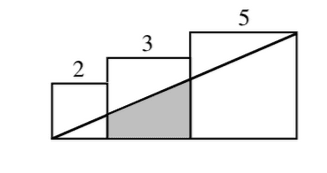
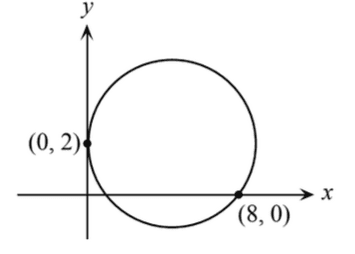
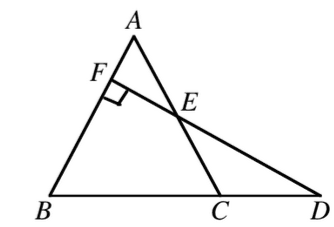
Real Competition Problems
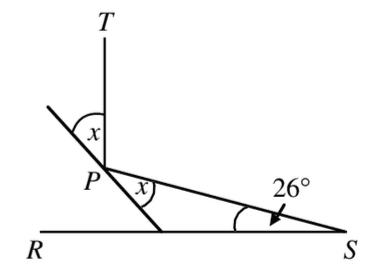
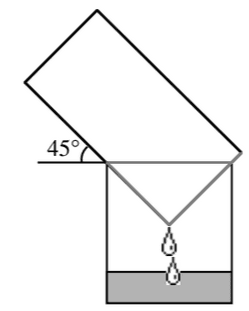
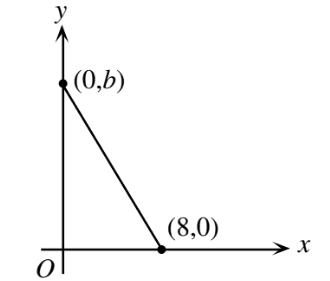
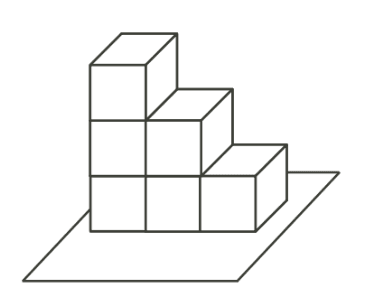
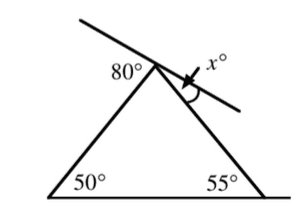
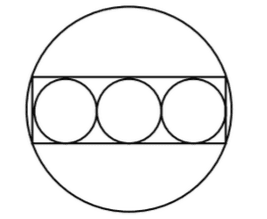
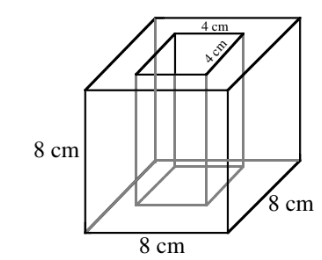
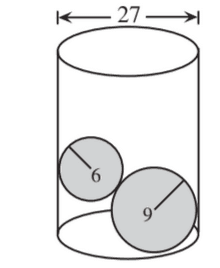
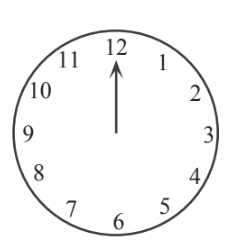
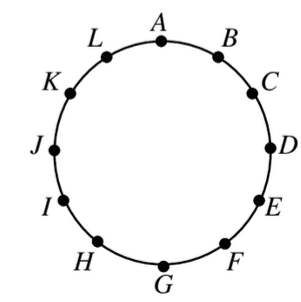
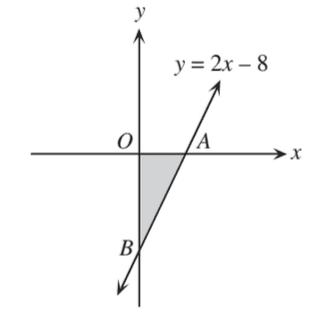
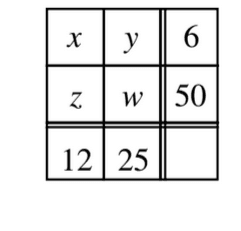
See a sample of the competition-style diagrams and problem layouts students can practice with as they build contest fluency.


Use the Tutor Hub
This page is one part of the larger tutor knowledge hub, so the strongest next step is to follow the connected pages that explain rates, reputation, class workflow, marketing, and the role of human tutoring in an AI-shaped future.
Use those links as a practical path through the decision. A tutor can compare the business case, learn the platform workflow, and choose one concrete next action without losing the larger picture.