AI and Durable Skills
Build strengths that still matter
As AI reshapes entry-level work, tutoring on Mobius helps students and graduates build durable advantages through business-building, human trust, empathy, encouragement, and motivation.
A Changed Starting Point
AI is reshaping entry-level work for many students and recent graduates, and that pressure may last longer than people expect.
That shift makes two durable capabilities more important: learning how to build something people truly need and learning how to earn trust through real human work.


Business-Building Practice
Starting a tutoring business gives students and graduates hands-on practice with business-building, not just job seeking.
They learn how to spot a real need, shape a service families value, and improve that service through repeated real-world experience.
Visible Weekly Progress
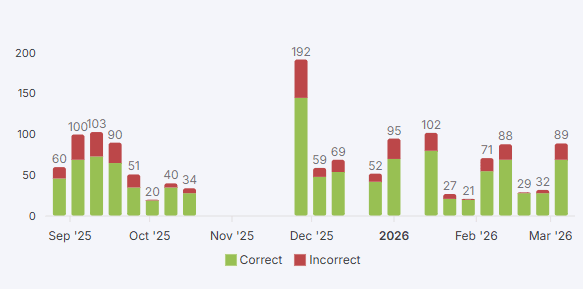
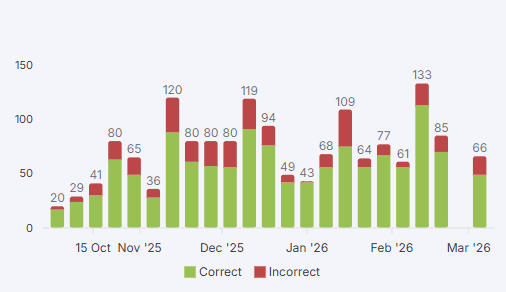
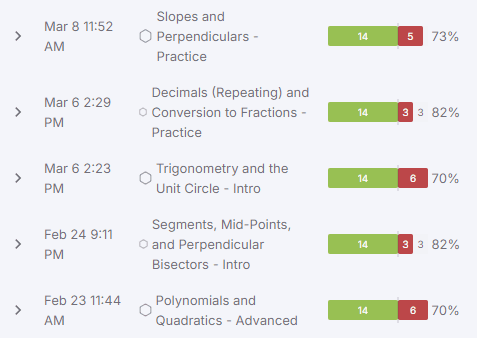
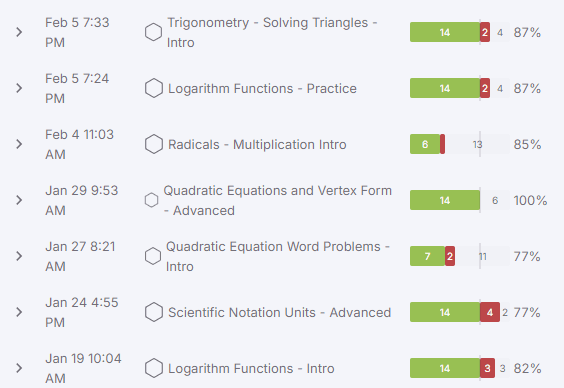
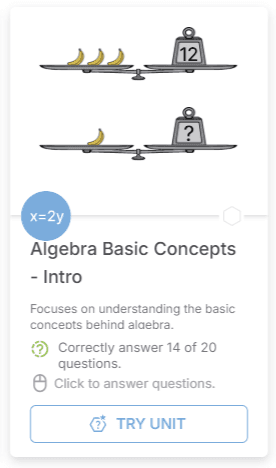
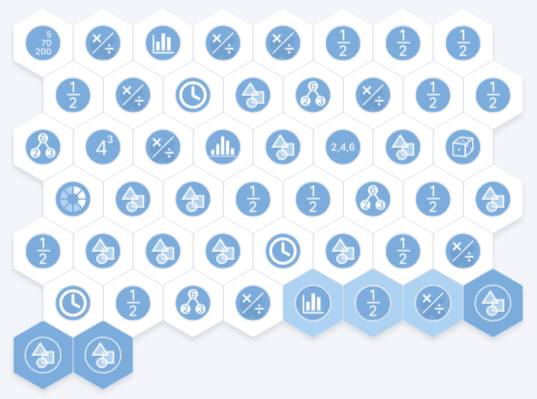
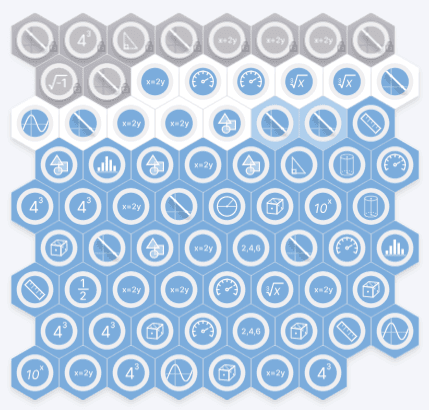
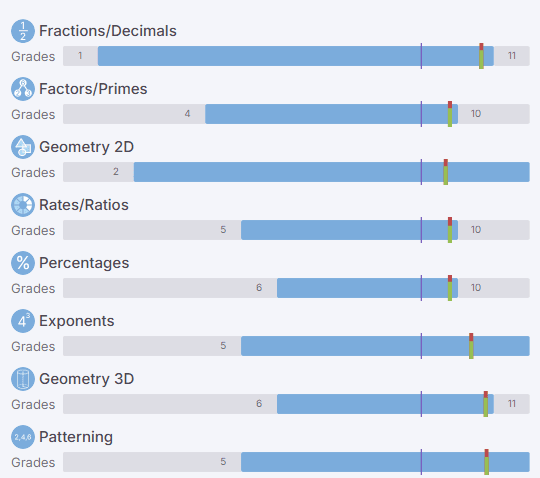
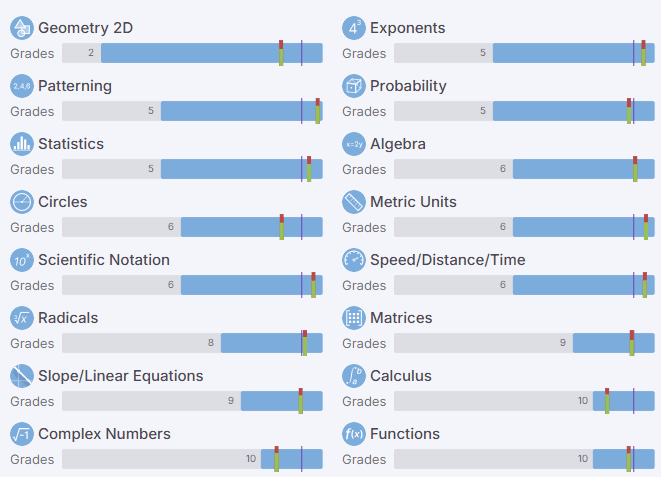
Families receive concise weekly updates that show what improved, where support is still needed, and which next focus area should guide the coming week of learning.
That gives parents practical learning evidence they can understand quickly, so decisions about pacing, reinforcement, and goals stay grounded in what the student is actually showing.
Human Skills That Last
Tutoring also builds human relationship skills that matter in any job market.
Trust, empathy, encouragement, motivation, and good judgment grow through direct work with families and students, and those strengths are still hard for AI to replace.


Progress Families Can Follow
Families need to understand whether tutoring is helping, not just hope that it is.
When tutors can show clear progress and explain the next focus, they build confidence, create better feedback loops, and learn how strong service stays clear and accountable over time.
Loved by parents and students alike
Use the Tutor Hub
This page is part of the Tutor Hub.
If you are deciding what tutoring could become, use the connected pages to answer practical next questions. Explore pricing if you want to understand what families may pay. Visit the reputation page if you are thinking about trust, referrals, and what makes families come back. Open the class workflow page if you want to picture what tutoring work actually feels like week to week. And if you are still unsure whether this path is worth pursuing, use the pages on getting started and the role of human tutoring in an AI-shaped future to compare your next options. The goal is simple: help you move from a big idea to a specific next step.