Competition Math
Guide for ambitious tutors
Help advanced students who need more challenge build creative problem-solving with competition math on Mobius.
Why Competition Math Helps
Competition math gives ambitious students a place to do more than get answers right. It asks them to test ideas, look for patterns, and explain why an approach works when the path is not obvious at first.
That kind of practice strengthens creative problem solving in ways that carry into broader math and science work. Students get more comfortable staying with unfamiliar questions, writing clear solutions, and thinking carefully under challenge.


Who It Fits Best
Competition math can fit students in different ways. Some are simply bored by routine classwork and benefit from a few contest-style problems that bring back challenge and curiosity.
Others want a deeper focus because they are aiming for ambitious STEM goals or enjoy spending real time on creative problem solving. For tutors, the key is to match the role of competition math to the student rather than treating every advanced learner the same way.
Ways Tutors Use It
Tutors can use competition math as occasional enrichment or as a steady part of a student's plan. A few well-chosen contest problems can add variety and stretch a student who needs deeper challenge beyond routine school work.
For students who want more, competition math can become a regular space for building creative habits, sharper reasoning, and persistence on unfamiliar problems. That makes it useful both for contest preparation and for broader long-term growth in math.


How Mobius Supports Hard Questions
Competition math often depends on whiteboarding, discussion, and step-by-step written solutions. Mobius supports that kind of work so tutors and students can think through demanding questions together in a clear, visible way.
When a student gets stuck, the tutor can use the platform to check whether the needed precursor skills are secure before moving deeper into the question. From there, Mobius helps the student grow into harder work step by step while the tutor guides the reasoning and solution writing.
Loved by parents and students alike
Real Competition Problems
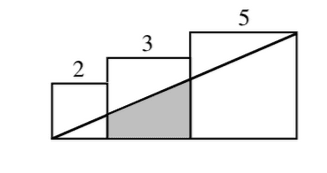
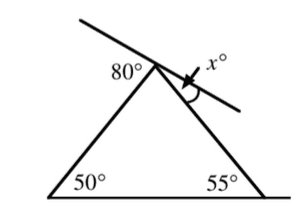
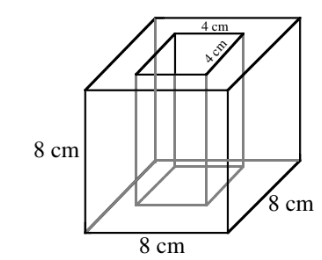
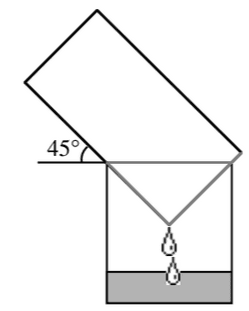
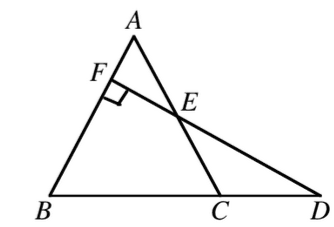
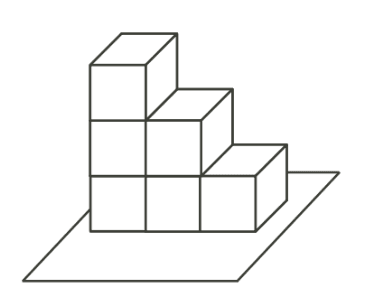
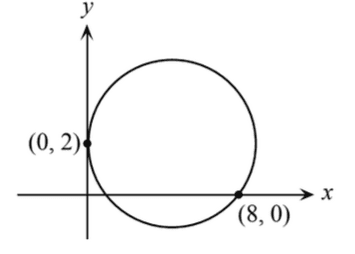
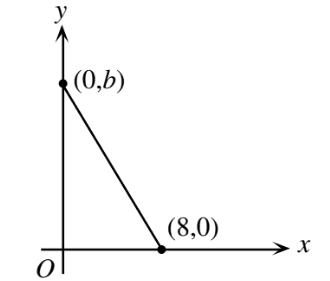
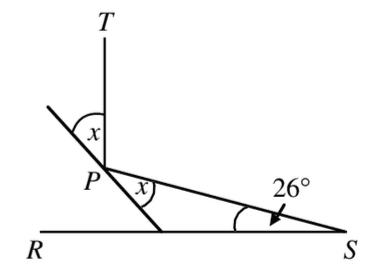
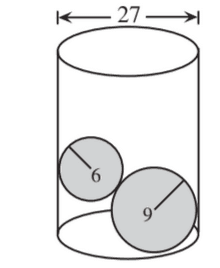
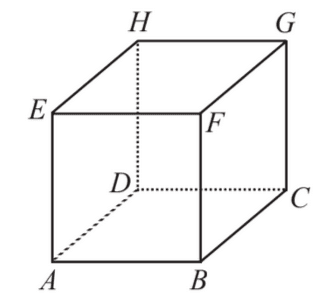
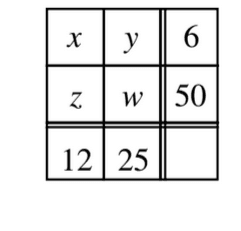
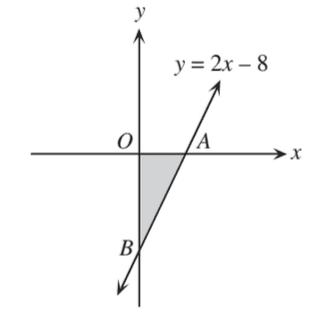
See a sample of the competition-style diagrams and problem layouts students can practice with as they build contest fluency.




Progress Families Can See
Competition math feels more meaningful when progress is visible. Written solutions, diagrams, and clearer explanations help families see that a student is getting stronger with unfamiliar questions, not just finishing more work.
That visibility also builds confidence for students. They can look back at earlier solutions, notice stronger reasoning, and see that problems that once felt out of reach now open up with better habits, stronger foundations, and clear support.

Explore the Tutor Hub
This page is part of the Mobius tutor knowledge hub.
From here, you can explore related pages on pricing, reputation, class workflow, marketing, and the role of human tutoring in an AI-shaped future. Use those links to go deeper on the parts of tutoring that matter most to your goals, whether you are comparing opportunities, learning the platform, or deciding what to explore next.