Class Pacing
How tutors vary challenge
See how Mobius tutors use leveling, practice, fluency, games, and competition problems to keep students engaged and moving forward in math.
Reading the Starting Point
Good class pacing starts with a clear read on where a student is across a math theme. Leveling helps tutors see that starting point before they decide what kind of work should come next.
That keeps the lesson grounded in what the student is ready for. Instead of guessing, the tutor can choose practice, fluency, games, or deeper challenge with a clearer sense of fit.


Pacing in Practice
Class pacing keeps students interested with the right mix of math challenges and activities. The goal is not random variety. It is choosing the kind of work that fits the moment and keeps learning productive.
A tutor might slow down with practice when a skill is still forming, use fluency work to build speed and confidence, or shift into a different activity type when attention starts to fade.
Loved by parents and students alike
Using the Right Mix
Well-paced lessons combine activity types to vary challenge, maintain attention, and keep learning productive.
That mix can include leveling, practice, fluency, games, and deeper problems. Each format serves a different purpose, so tutors can keep the session moving without losing the thread of the math.


When to Go Deeper
Not every part of a lesson should feel the same. As students settle into the work, tutors can use deeper problems to add creative problem-solving and stretch mathematical thinking.
Competition math is one way to add that depth. Games can also help, especially for younger students, but they work best as a light touch inside a broader lesson plan rather than the whole session.
What Families Notice
Families often notice the difference when pacing is working well. Students stay with the math longer, lessons feel more purposeful, and progress is easier to see over time.
That feedback matters because it shows how session choices land in real life. A well-paced Mobius lesson feels focused, encouraging, and challenging in the right way.

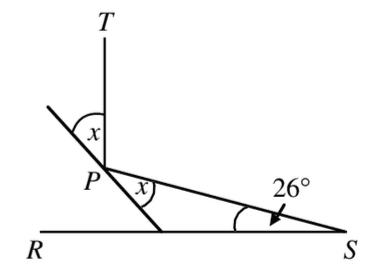
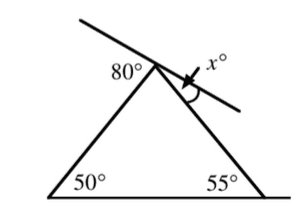
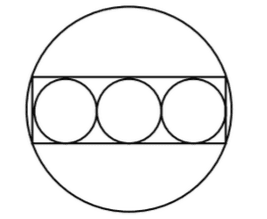
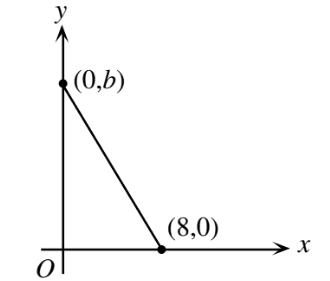
Real Competition Problems
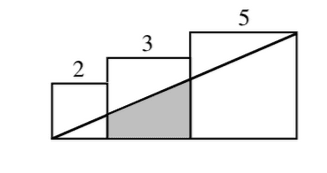
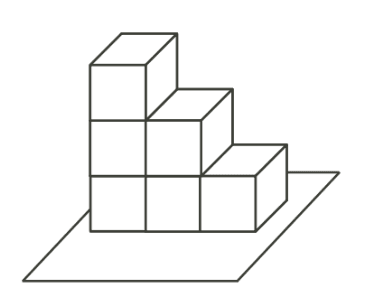
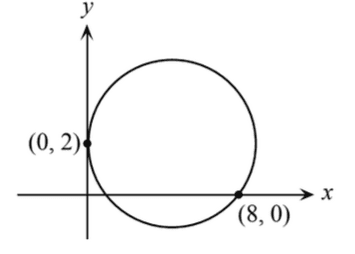
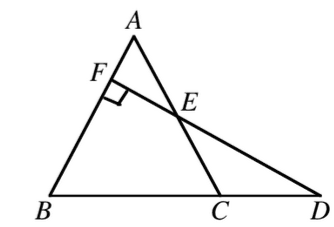
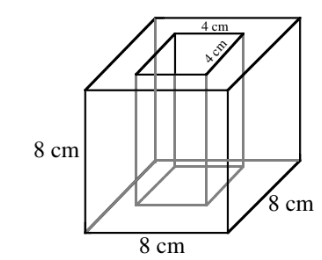
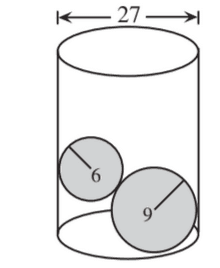
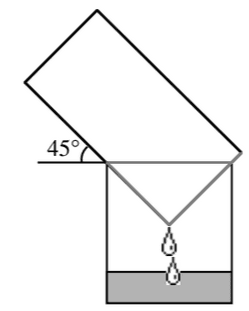
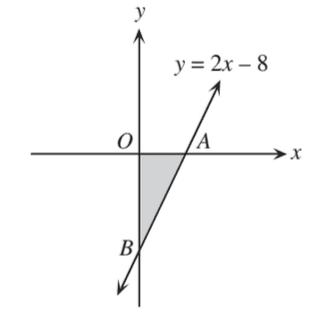
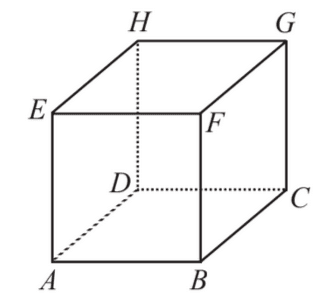
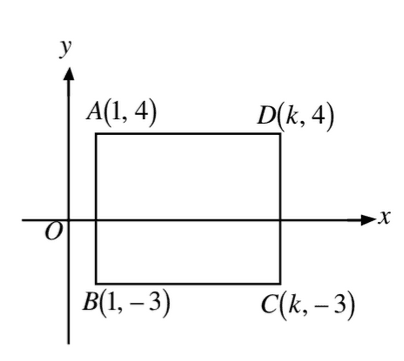
See a sample of the competition-style diagrams and problem layouts students can practice with as they build contest fluency.



Use the Tutor Hub
This page is part of the Mobius tutor knowledge hub.
You can keep exploring connected pages on rates, reputation, class workflow, marketing, and the role of human tutoring in an AI-shaped future. Use those links to compare approaches, understand the Mobius workflow, and choose a practical next step.