Run a Class
A practical guide for tutors
Learn how to lead a full class on Mobius, practice the flow ahead of time, and teach with more confidence.
How Classes Move
A full class on Mobius moves through quick 7-10 minute math activities, so the session has a clear rhythm from beginning to end.
Different activity types help tutors vary pace, focus, and format while keeping the class organized. That structure makes it easier to lead the session without losing momentum.


What Tutors Can See
Visibility into student work is what makes class teaching effective, whether tutoring happens online or in person.
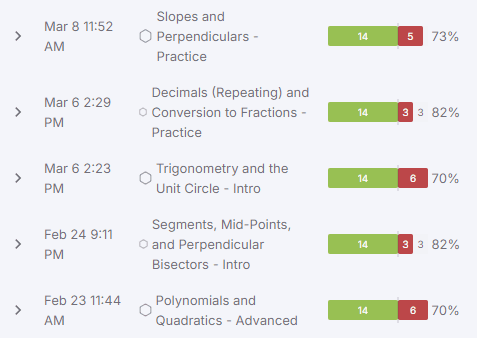
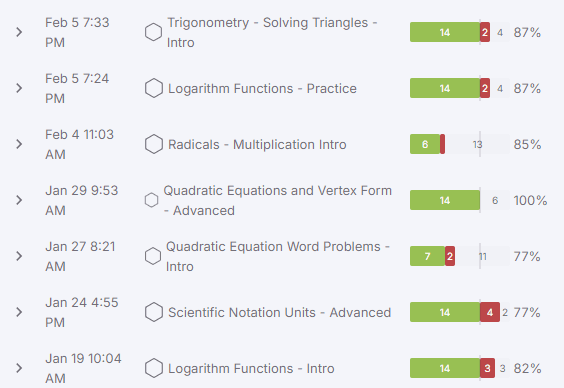
Tutors can see how students are approaching the math, where they pause, and which questions are moving smoothly. That gives them a clearer read on the room and more confidence in how the class is going.
Visible Weekly Progress
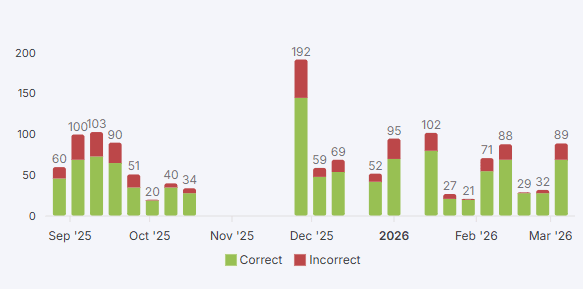
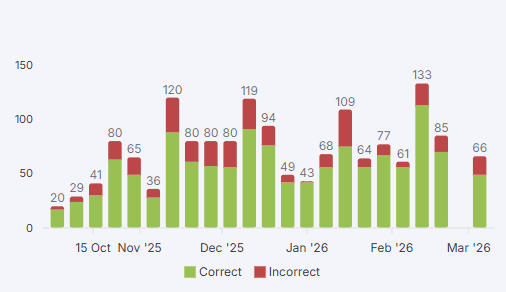
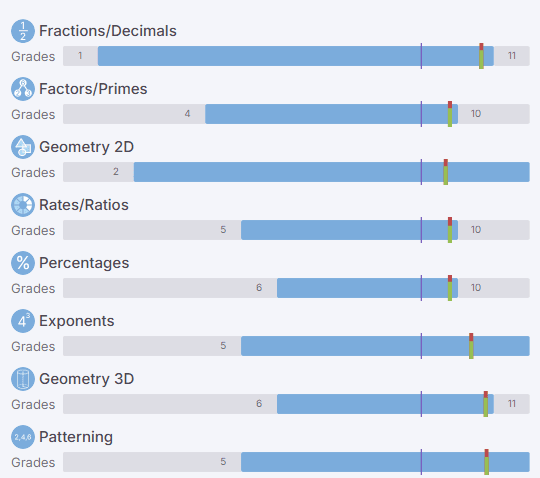
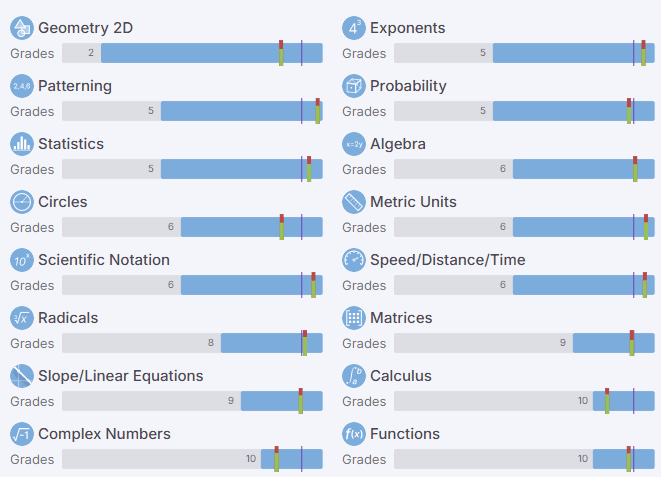
Families receive concise weekly updates that show what improved, where support is still needed, and which next focus area should guide the coming week of learning.
That gives parents practical learning evidence they can understand quickly, so decisions about pacing, reinforcement, and goals stay grounded in what the student is actually showing.
Loved by parents and students alike
Practice Before Teaching
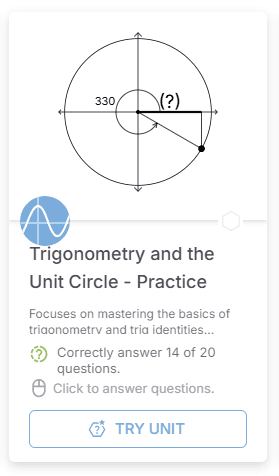
Tutors can practice class activities on Mobius before they teach them live.
They can move through the activity as the tutor and as the student, so the flow feels familiar before class starts. That preparation makes it easier to lead clearly once students join.


Better Decisions Mid-Class
Clear visibility during class helps tutors make better decisions while the lesson is still moving.
Instead of waiting until the end to see what landed, tutors can spot when to keep building, when to slow down, and when a different activity type would help the class stay productive.
Why the Structure Helps
Short, well-defined segments make a class easier to run well. Tutors do not have to invent the whole session on the fly or guess when to shift gears.
That structure helps students stay with the work and helps tutors make cleaner decisions. When each part of the class has a clear purpose, it is easier to keep energy up, prevent drift, and move the session forward with confidence.

More Tutor Hub
This page is part of the Mobius tutor hub.
From here, you can explore more about teaching on the platform, building your tutoring practice, and growing with confidence. If you are ready for the next step, start your application or explore tutoring at Mobius.