Your First Student
A practical guide for tutors
Choose a low-pressure first student, set up the account the right way, and get ready for your first few classes on Mobius.
Choose the Right First Student
Start with a student who is friendly and patient. A younger family member, a neighbor, or the child of a close family friend can be a strong first fit because the relationship already brings some trust.
That kind of first student gives you room to learn the basics on Mobius without making the first few classes feel too high pressure. You can focus on showing up prepared, building a routine, and gaining confidence with a real learner.


Set Up the Account Right
Have the family sign up through your public tutor profile so the student is linked to you correctly from the start.
That setup step matters more than it seems. It keeps your first student account organized, avoids preventable confusion, and lets you spend your attention on the class itself instead of fixing setup issues later.
Practice Before Going Live
Before the first live class, practice setting up activities and running through the class flow on Mobius.
A quick rehearsal helps you see how the lesson will move from one part to the next. Then when your first student arrives, you can focus less on the mechanics and more on teaching clearly and calmly.

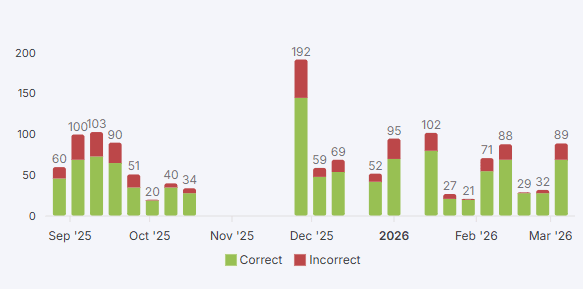
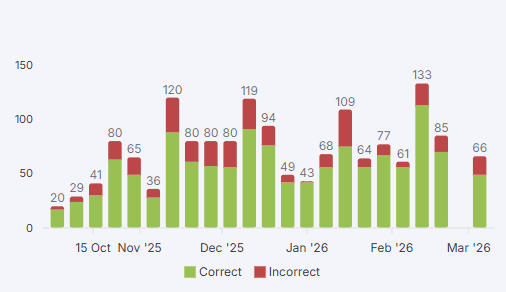
Visible Weekly Progress
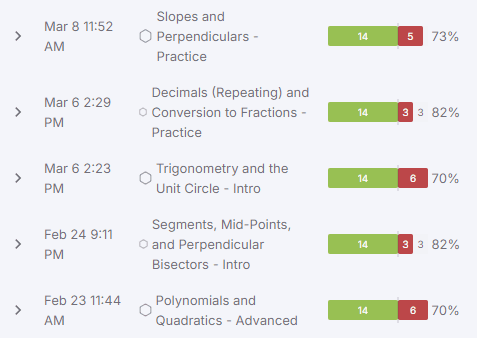
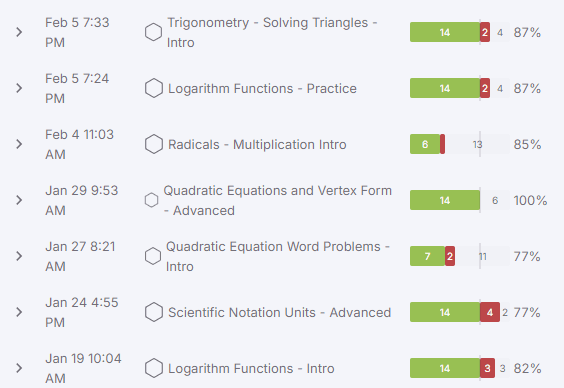
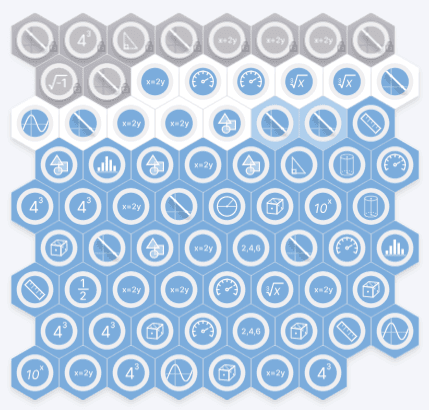
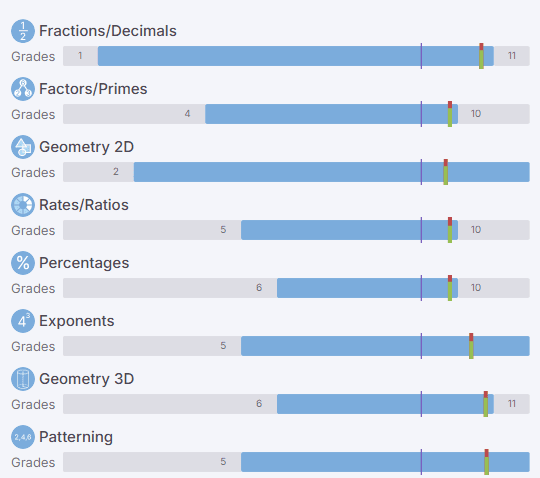
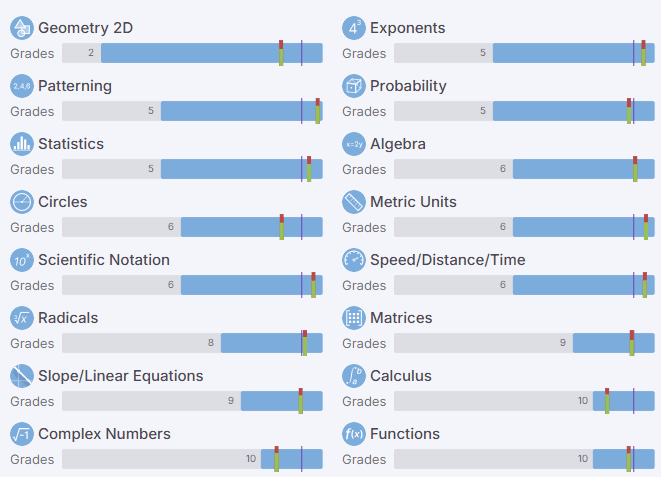
Families receive concise weekly updates that show what improved, where support is still needed, and which next focus area should guide the coming week of learning.
That gives parents practical learning evidence they can understand quickly, so decisions about pacing, reinforcement, and goals stay grounded in what the student is actually showing.


Why Weekly Classes Help
A weekly class is one of the best ways to start with your first student. The steady rhythm helps you learn how much to cover in one session without rushing or trying to do too much.
It also gives you a natural chance to review last week's work, notice what still needs attention, and come back to hard questions over time. That repeat structure helps new tutors build pacing judgment and makes progress easier to manage.
Use the Tutor Hub
This page is part of the Mobius tutor knowledge hub.
From here, you can keep learning about rates, reputation, class workflow, marketing, and how tutoring fits alongside AI tools. Use the related pages as your next steps. They are built to help you move from your first student toward a stronger, more confident tutoring practice.